
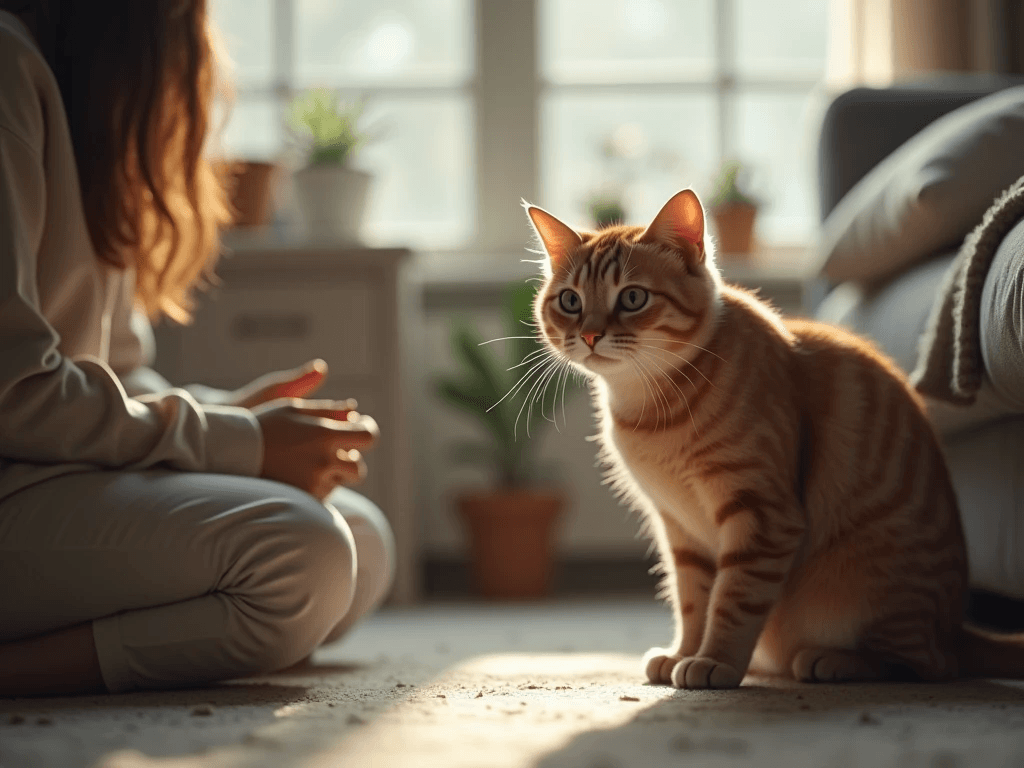

Cats are often seen as independent and aloof animals, but the truth is they can get anxious just like humans. Understanding why cats get anxious and how your reactions can affect them is crucial in providing a safe and comfortable environment for your feline friend.
Why Do Cats Get Anxious?
Cats can get anxious for a variety of reasons, including changes in their environment, loud noises, unfamiliar people or animals, and even health issues. Some common signs of anxiety in cats include hiding, excessive grooming, aggression, or even urinating outside the litter box. It’s important to recognize these signs and address the root cause of your cat’s anxiety.
How Your Reactions Affect Them?
As a cat owner, your reactions to your cat’s anxiety can greatly impact their behavior. For example, if you respond to your cat’s anxious behavior with anger or frustration, it can escalate their anxiety levels. On the other hand, providing a calm and reassuring presence can help alleviate your cat’s anxiety and make them feel safe and secure.
Tips for Helping An Anxious Cat:
- Create a safe space for your cat where they can retreat when feeling anxious.
- Use pheromone diffusers or calming sprays to help reduce your cat’s anxiety.
- Stick to a routine to provide a sense of stability for your cat.
- Provide plenty of mental and physical stimulation to help alleviate your cat’s stress.
- Consider consulting with a veterinarian or animal behaviorist for further assistance.
Conclusion:
In conclusion, understanding why cats get anxious and how your reactions can affect them is key to providing a happy and healthy environment for your feline companion. By being aware of your cat’s behavior and responding with patience and understanding, you can help alleviate their anxiety and strengthen the bond between you and your furry friend.
Learn why cats get anxious and how your reactions can affect them. Discover tips for helping an anxious cat and creating a safe and comfortable environment for your feline friend.