
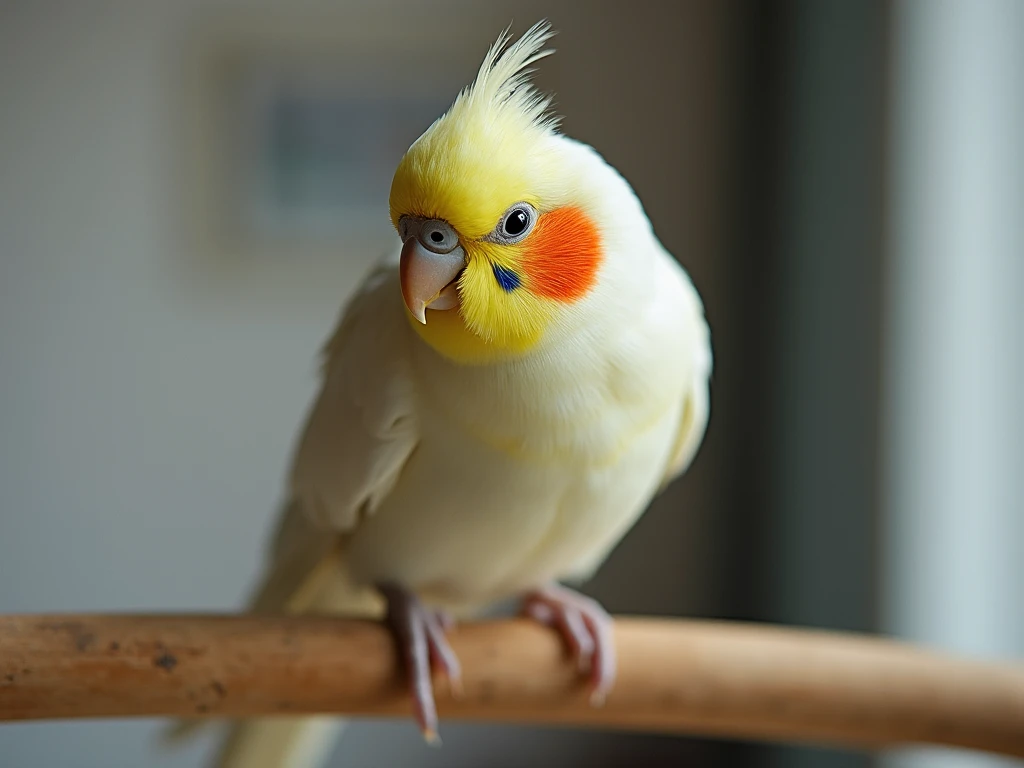

As bird owners, we always want to ensure that our feathered friends are healthy and happy. However, birds are masters at hiding their pain and discomfort, making it challenging to detect when they are unwell. In this article, we will explore some subtle signs of illness in birds that every bird owner should be aware of.
Signs of Illness in Birds
Changes in Behavior
Birds are creatures of habit, so any sudden changes in behavior could be a sign of illness. If your bird is usually active and social but suddenly becomes withdrawn or agitated, it may indicate that something is wrong.
Loss of Appetite
A decrease in appetite or refusal to eat is a common sign of illness in birds. If your bird is not showing interest in their favorite foods or treats, it may be a cause for concern.
Changes in Vocalizations
Birds communicate through vocalizations, so any changes in their usual sounds could indicate an underlying issue. If your bird is suddenly quiet or vocalizing more than usual, it may be a sign of distress or pain.
Changes in Droppings
Monitoring your bird’s droppings is essential for detecting potential health problems. Any changes in color, consistency, or frequency of droppings could indicate an issue that requires veterinary attention.
Fluffed Feathers
Birds fluff their feathers to conserve body heat, but continuous fluffing could indicate that your bird is trying to alleviate pain or discomfort. If your bird appears puffed up for an extended period, it may be a sign of illness.
How to Help Your Bird
If you notice any of these subtle signs of illness in your bird, it is crucial to seek veterinary care promptly. Birds are delicate creatures, and early intervention can make a significant difference in their recovery.
Providing a calm and comfortable environment for your bird is essential during their recovery process. Ensure that they have access to fresh water, nutritious food, and a warm, draft-free space to rest.
Follow your veterinarian’s recommendations for treatment and follow-up care to ensure that your bird makes a full recovery. Be patient and supportive as your feathered friend recovers from illness.
Conclusion
Understanding the subtle signs of illness in birds is crucial for providing them with the care they need to stay healthy. By being vigilant and attentive to changes in behavior, appetite, vocalizations, droppings, and appearance, you can help ensure that your bird receives timely medical attention when needed. Remember, your bird’s well-being is in your hands, so always prioritize their health and happiness.
Learn about the subtle signs of illness in birds and how to detect when your feathered friend is hiding pain. Ensure your bird’s well-being with these helpful tips.
By following these guidelines, you can guarantee that your expert article is not only informative and engaging but also optimized for search engines to reach a wider audience and establish your expertise in the field of avian health.