
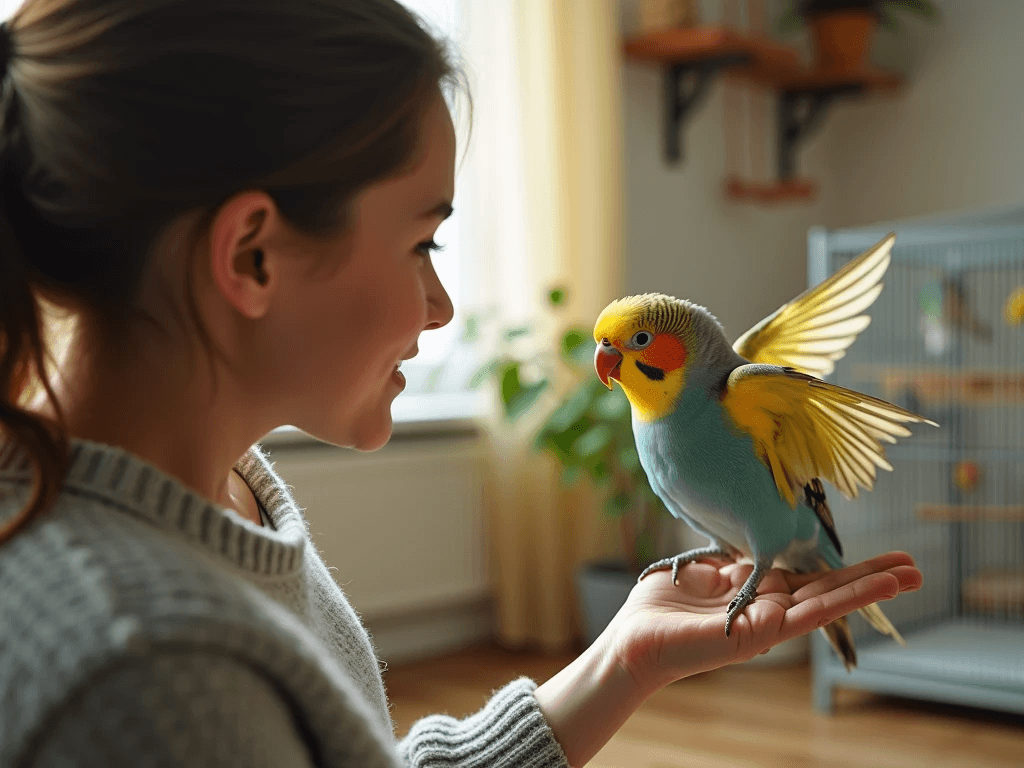

Are you a bird owner looking to deepen your bond with your feathered friend? One of the most important aspects of bird care is understanding your bird’s body language and vocalizations. By learning to interpret these cues, you can better cater to your bird’s needs and ensure their happiness and well-being. In this article, we will explore the various ways in which birds communicate through their body language and vocalizations.
Why is it important to understand your bird’s body language?
Understanding your bird’s body language is crucial for building a strong and trusting relationship with them. Birds use a variety of body cues to express their feelings, needs, and emotions. By paying attention to these subtle signals, you can better respond to your bird’s needs and provide them with the care and attention they require.
Some common body language cues to look out for include:
- Puffed Feathers: This can indicate that your bird is feeling cold or unwell.
- Rapid Eye Blinking: Your bird may be feeling stressed or anxious.
- Fluffing Up: This could be a sign of contentment or relaxation.
By understanding these cues, you can better tailor your interactions with your bird and create a harmonious environment for them to thrive in.
Decoding your bird’s vocalizations
In addition to body language, birds also communicate through a wide range of vocalizations. Each type of vocalization conveys a different message or emotion, and by paying attention to these cues, you can gain valuable insights into your bird’s state of mind.
Some common vocalizations to listen for include:
Chirping: This is a common vocalization that birds use to express happiness or contentment.
- Squawking: Loud and sharp squawks can indicate that your bird is feeling threatened or agitated.
- Whistling: Whistling can be a sign of excitement or curiosity.
By listening closely to your bird’s vocalizations, you can gain a deeper understanding of their needs and emotions, allowing you to provide them with the best possible care.
Tips for enhancing your communication with your bird
To further enhance your ability to communicate with your bird, consider the following tips:
- Spend quality time with your bird: The more time you spend with your bird, the better you will become at understanding their unique cues and vocalizations.
- Provide a stimulating environment: Birds thrive in environments that provide them with mental and physical stimulation. Offering toys, puzzles, and interactive activities can help keep your bird engaged and happy.
- Use positive reinforcement: Rewarding your bird for positive behaviors can help strengthen your bond and encourage good communication between you and your feathered friend.
By following these tips and paying close attention to your bird’s body language and vocalizations, you can deepen your connection with your bird and ensure that they lead a happy and fulfilling life.
In conclusion, understanding your bird’s body language and vocalizations is essential for effective communication and relationship-building. By being attentive to your bird’s cues and responding accordingly, you can create a harmonious bond with your feathered companion that will last a lifetime. So, next time your bird chirps or fluffs up, take a moment to decode their message and respond with love and care.
Learn how to interpret your bird’s body language and vocalizations to deepen your bond with your feathered friend. Understand their cues for a happier, healthier relationship.