
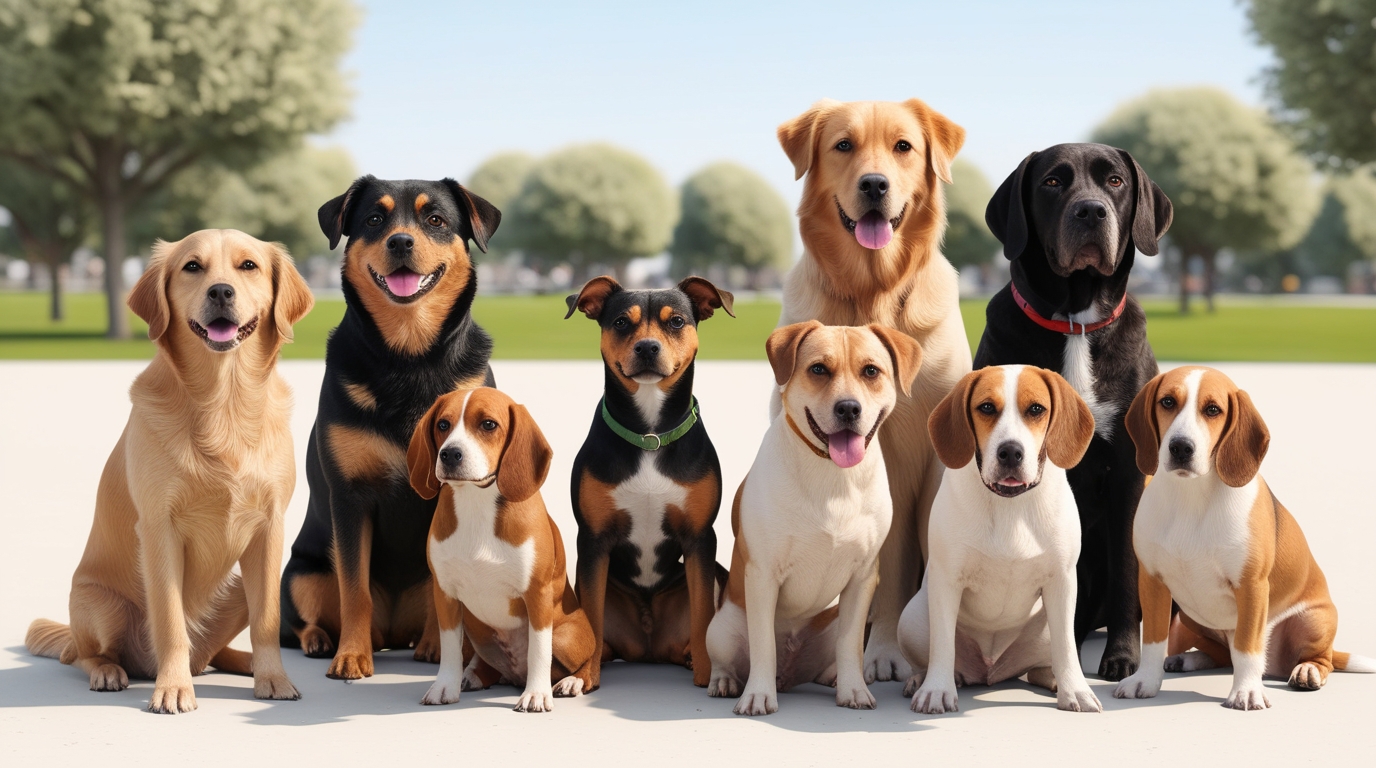

In the world of furry companions, dogs come in all shapes, sizes, and personalities. With so many different breeds to choose from, it can be overwhelming to know which type of dog is right for you. In this article, we will explore the differences between various dog types to help you make an informed decision.
What Are the Differences Between the Dog Types?
When it comes to choosing a dog, there are several key differences to consider. From size and energy level to grooming requirements and temperament, each breed has its own unique characteristics that set it apart from the rest. Let’s dive into the main differences between popular dog types:
- Size: One of the most obvious differences between dog types is their size. Some breeds, like Chihuahuas and Yorkshire Terriers, are pint-sized while others, such as Great Danes and Saint Bernards, are giant in stature. Size can play a significant role in a dog’s needs and compatibility with your living space.
- Energy Level: Another crucial difference between dog types is their energy level. Some breeds, like Border Collies and Australian Shepherds, are high-energy and require plenty of exercise and mental stimulation. On the other hand, breeds like Basset Hounds and Bulldogs are more laid-back and content with lounging around the house.
- Grooming Requirements: Different dog types have varying grooming needs. Breeds with long, silky hair, such as Shih Tzus and Maltese, require regular brushing and grooming to keep their coat looking neat. On the other hand, breeds with short, smooth coats, like Beagles and Boxers, have lower maintenance grooming requirements.
- Temperament: Each breed has its own unique temperament and personality traits. Some breeds, like Golden Retrievers and Labrador Retrievers, are known for their friendly and outgoing nature, making them excellent family pets. Other breeds, such as Dachshunds and Chows, may be more aloof or territorial.
- Trainability: Dog types also differ in their trainability. Some breeds, like German Shepherds and Poodles, are highly intelligent and eager to please, making them easy to train. On the other hand, breeds like Basenjis and Afghan Hounds may be more independent and stubborn, requiring a patient and consistent approach to training.
Conclusion:
In conclusion, the differences between dog types are vast and varied, making it essential to research and consider your lifestyle and preferences before choosing a furry companion. Whether you prefer a small, low-energy lap dog or a large, high-energy working breed, there is a dog type out there for everyone. By understanding the key differences between dog types, you can make an informed decision and find the perfect four-legged friend to welcome into your home.
Discover the key differences between dog types to help you choose the perfect furry companion. From size and energy level to temperament and grooming needs, learn what sets each breed apart.