
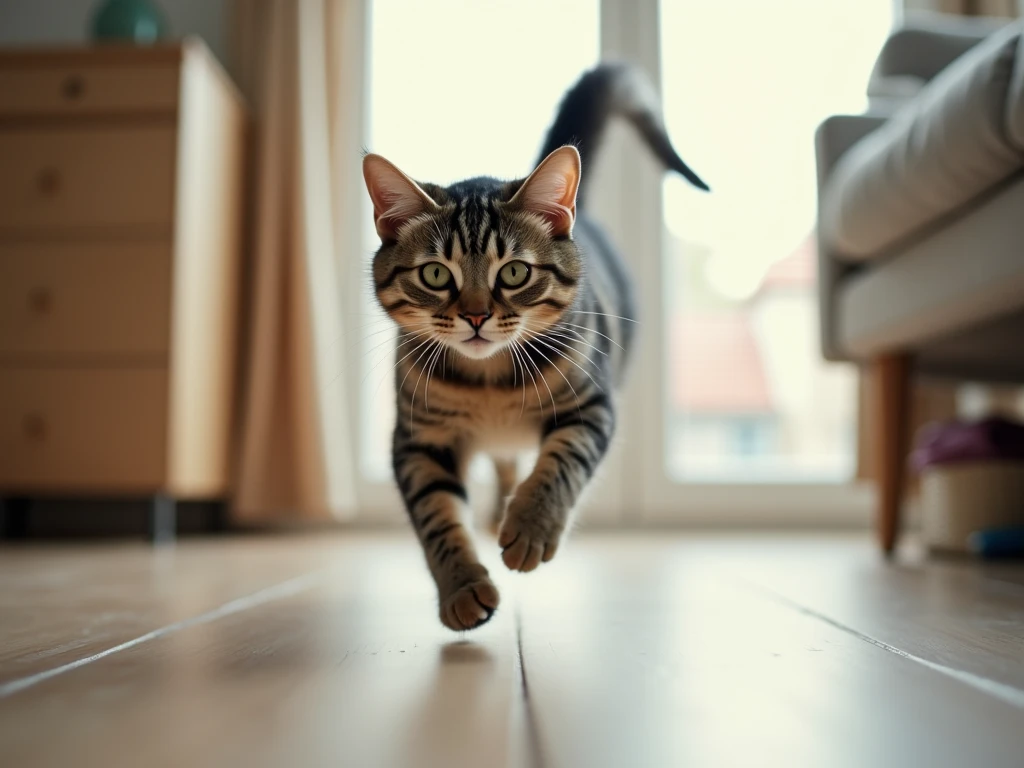

Have you ever witnessed your cat suddenly dash around the house, jumping on furniture, and acting like a total maniac? You may have experienced what cat owners commonly refer to as “zoomies.” But what exactly is going on in your cat’s mind during these episodes of wild behavior? Let’s dive into the psychology of zoomies and explore what’s really happening.
Understanding the Zoomies Phenomenon
Zoomies, also known as frenetic random activity periods (FRAPs), are bursts of energy that many cats exhibit. It usually involves running around in a frantic and erratic manner, often accompanied by leaps, twists, and sudden stops. While it may seem random and chaotic, there are some underlying reasons why cats engage in zoomies.
Why Do Cats Get the Zoomies?
- Excess Energy: Cats are natural hunters and predators, and regular play helps them satisfy their instinctual needs. When they have pent-up energy from being indoors or lack of stimulation, they may release it by having a zoomies session.
- Stress Relief: Cats can also engage in zoomies as a way to relieve stress or anxiety. Just like humans may feel the need to run or exercise when they are feeling tense, cats may resort to zoomies to release built-up tension.
- Territorial Behavior: Zoomies may also be a way for cats to mark their territory. Running around the house and climbing on furniture can help them spread their scent and establish their presence in the environment.
- Social Play: Cats, especially young kittens, may engage in zoomies as a way to mimic social play behaviors with other cats. They may perform chasing and pouncing movements during zoomies, which are common components of cat play.
Is It Normal for Cats to Have Zoomies?
Yes, zoomies are a normal and healthy behavior for cats. In fact, they can be seen as a sign that your cat is happy, healthy, and in good spirits. As long as your cat is not exhibiting any signs of distress or discomfort during zoomies, there is no need to be concerned.
How to Manage Zoomies in Your Cat
While zoomies are generally harmless, there are some ways you can help manage them and ensure that your cat’s bursts of energy are channeled in a positive direction.
Provide Enrichment Activities
Make sure your cat has plenty of interactive toys, scratching posts, and climbing structures to keep them mentally and physically stimulated. Engaging your cat in play sessions can help prevent excessive energy buildup that may trigger zoomies.
Establish Routine
Creating a consistent daily routine for your cat, including designated playtimes and feeding schedules, can help reduce stress and anxiety that may contribute to zoomies. Cats thrive on predictability and structure, so establishing a routine can promote a sense of security and stability.
Ensure Regular Exercise
Regular exercise is essential for maintaining your cat’s physical and mental well-being. Encouraging your cat to engage in daily play sessions or providing opportunities for exploration and outdoor activities can help regulate their energy levels and prevent zoomies from becoming excessive.
In Conclusion
The next time your cat goes into full zoomies mode, remember that it’s a natural behavior rooted in their instincts and need for stimulation. Providing a safe and enriching environment for your cat, along with regular exercise and play, can help keep their zoomies in check and ensure a happy and healthy feline companion.
Discover the psychology behind your cat’s zoomies and understand what’s really happening in their mind. Learn how to manage and embrace this unique feline behavior.
Remember, cats will be cats, and a little zoomie action now and then is just part of their charming and unpredictable nature!