
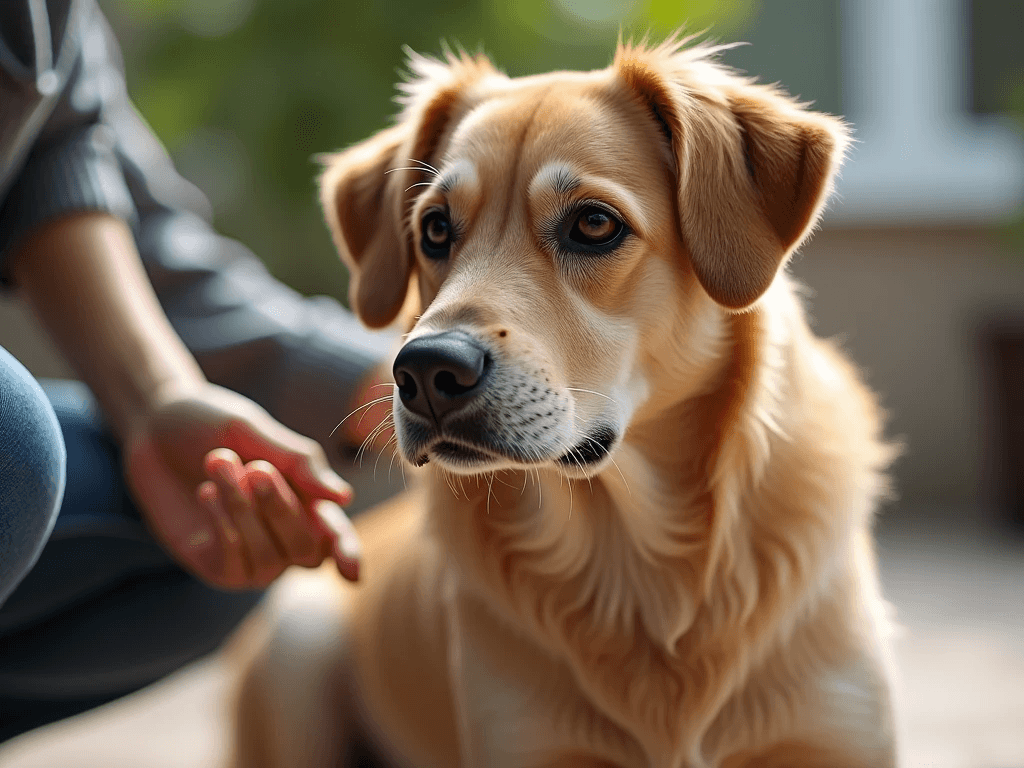

As our beloved furry friends grow older, it is essential to provide them with the proper care to ensure they lead a happy and healthy life. Senior dogs have specific needs that differ from those of younger dogs, and it is crucial to be aware of these differences to provide the best possible care for your aging canine companion. In this article, we will discuss various tips and strategies for keeping your senior dog healthy and happy as it ages.
Understanding the Needs of Senior Dogs
Senior dogs, typically classified as dogs aged 7 years and older, experience a range of physical and mental changes as they age. It is essential to understand these changes and adjust your dog’s care routine accordingly. Some common issues that senior dogs may face include arthritis, dental problems, decreased mobility, and cognitive decline. By staying informed about these potential issues, you can take proactive steps to address them and improve your dog’s quality of life.
Providing a Nutritious Diet
As dogs age, their nutritional needs change. Senior dogs may require a diet that is lower in calories to prevent weight gain and reduce the risk of obesity-related health issues. Additionally, older dogs may benefit from foods that are easier to digest and contain nutrients that support joint health and cognitive function. Consult with your veterinarian to determine the best diet for your senior dog based on its age, size, and individual health needs.
Regular Exercise and Mental Stimulation
While senior dogs may not be as active as they once were, regular exercise is still essential to maintain their physical health and mental well-being. Gentle walks, low-impact activities, and interactive toys can help keep your senior dog engaged and prevent boredom. Mental stimulation is also crucial for senior dogs, as it can help stave off cognitive decline and keep their brains sharp. Consider incorporating puzzle toys, training exercises, and new experiences into your dog’s routine to keep it mentally stimulated.
Veterinary Care and Regular Check-ups
Regular veterinary care is crucial for senior dogs to monitor their health and catch any potential issues early. Routine check-ups, blood work, dental cleanings, and vaccinations are all essential components of senior dog care. Your veterinarian may also recommend specific screenings or preventative measures based on your dog’s age and health status. Be sure to follow your veterinarian’s recommendations and keep up with your dog’s scheduled appointments to ensure its continued well-being.
Providing Comfort and Support
As dogs age, they may experience physical discomfort and have difficulty performing everyday tasks. Provide your senior dog with a comfortable and supportive environment by providing orthopedic bedding, ramps or stairs for easier access to furniture, and non-slip surfaces to prevent falls. Pay attention to signs of pain or discomfort, such as limping, difficulty standing up, or reluctance to move, and consult with your veterinarian if you have any concerns.
In conclusion, senior dog care requires a combination of proper nutrition, regular exercise, veterinary care, and emotional support. By understanding the needs of senior dogs and taking proactive steps to address them, you can help your aging canine companion live a longer, happier, and healthier life. Be sure to consult with your veterinarian for personalized advice and guidance on caring for your senior dog as it ages.
Learn valuable tips for keeping your senior dog healthy and happy as it ages. Find advice on nutrition, exercise, veterinary care, and more to ensure your furry friend’s well-being.