
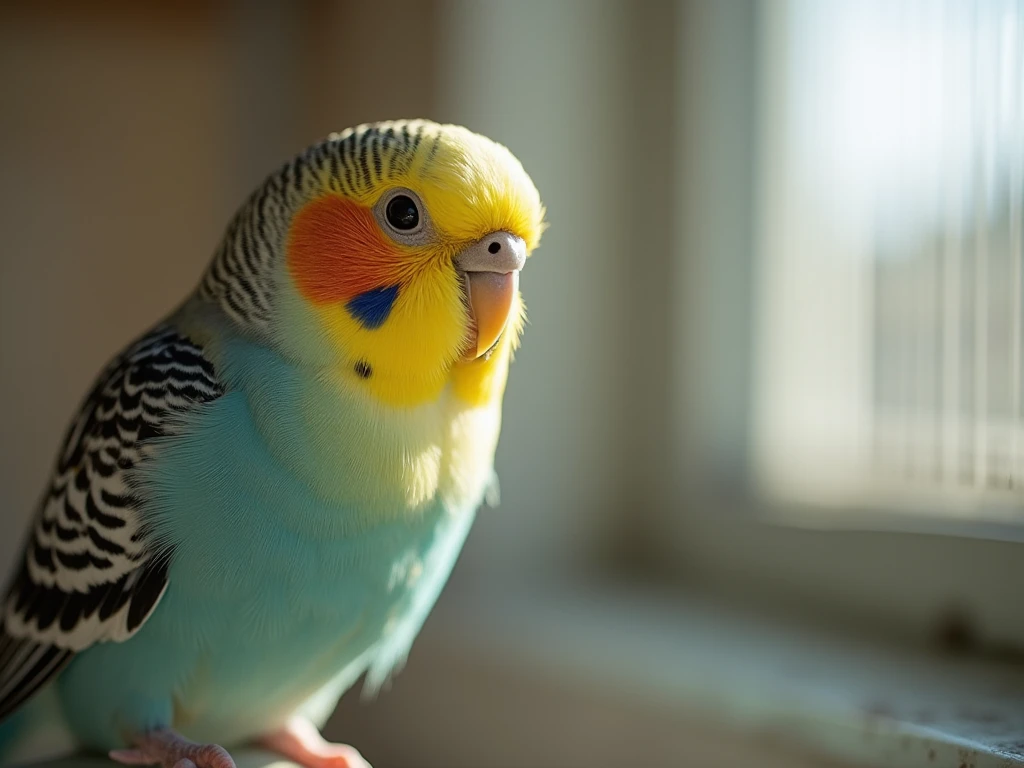

Are you a proud pet bird owner who wants to ensure the health and well-being of your feathered friend? One of the most common issues that pet birds can face is respiratory problems. In this article, we will discuss the causes, symptoms, and prevention strategies for respiratory problems in pet birds.
Understanding Respiratory Problems in Pet Birds
Respiratory problems in pet birds can be caused by a variety of factors, including viral, bacterial, fungal infections, environmental pollutants, allergens, and even stress. Birds have a unique respiratory system that is highly efficient but also delicate. When their respiratory system becomes compromised, it can lead to serious health issues.
Causes of Respiratory Problems in Pet Birds
- Viral Infections: Avian influenza and psittacosis are common viral infections that can affect birds’ respiratory systems.
- Bacterial Infections: Bacterial infections such as Mycoplasma and Chlamydia can also cause respiratory problems in pet birds.
- Fungal Infections: Aspergillosis is a fungal infection that can affect the respiratory system of birds.
- Environmental Factors: Dust, smoke, strong odors, and other environmental pollutants can irritate birds’ respiratory systems.
- Allergens: Birds can be allergic to certain substances, such as pollen or feathers, which can lead to respiratory issues.
- Stress: Birds that are under stress or are not receiving proper nutrition are more susceptible to respiratory problems.
Symptoms of Respiratory Problems in Pet Birds
It’s essential for pet bird owners to recognize the early signs of respiratory problems in their feathered friends. Some common symptoms include:
- Sneezing and Coughing
- Nasal Discharge
- Labored Breathing
- Wheezing or Crackling Sounds
- Loss of Appetite
- Fatigue or Lethargy
If you notice any of these symptoms in your pet bird, it’s crucial to consult a veterinarian who specializes in avian medicine.
Prevention Strategies for Respiratory Problems in Pet Birds
Preventing respiratory problems in pet birds involves creating a healthy and safe environment for your feathered companion. Here are some tips to help prevent respiratory issues:
- Proper Ventilation: Ensure that your bird’s living space is well-ventilated to prevent the buildup of harmful fumes and airborne particles.
- Cleanliness: Regularly clean your bird’s cage, toys, and dishes to prevent the growth of bacteria and fungi.
- Healthy Diet: Provide your pet bird with a balanced diet rich in essential nutrients to support their immune system.
- Regular Vet Check-ups: Schedule regular check-ups with an avian veterinarian to monitor your bird’s respiratory health.
- Minimize Stress: Create a calm and stress-free environment for your pet bird to help prevent respiratory issues.
By following these prevention strategies and being proactive about your pet bird’s health, you can help keep respiratory problems at bay and ensure a happy and healthy life for your feathered friend.
In conclusion, respiratory problems are common in pet birds but can be prevented with proper care and attention. By understanding the causes, recognizing the symptoms, and implementing prevention strategies, you can help keep your feathered companion healthy and happy for years to come. If you suspect that your pet bird is experiencing respiratory issues, don’t hesitate to seek professional veterinary care for assistance.
Learn about the causes, symptoms, and prevention of respiratory problems in pet birds to ensure your feathered friend’s health and well-being.