
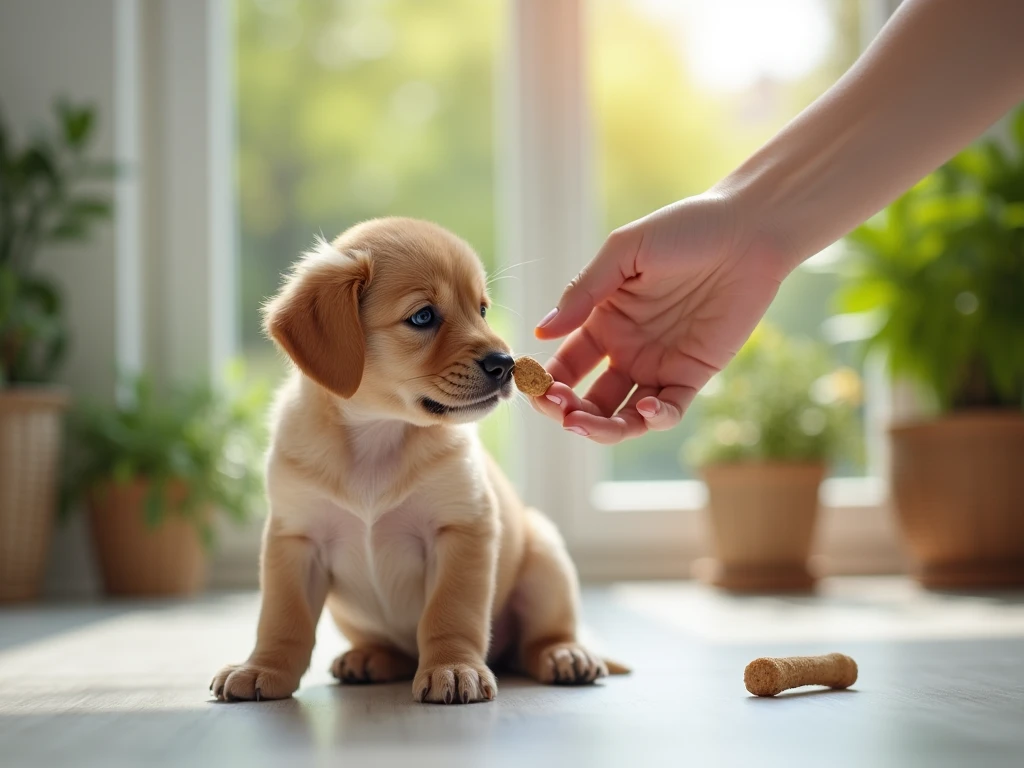

Bringing home a new puppy is an exciting and rewarding experience. However, it also comes with its set of challenges, with one of the most important being puppy training. Starting training from day one can set a solid foundation for your puppy’s behavior and obedience in the future. In this article, we will explore some puppy training basics to help you get started on the right foot with your new furry friend.
The Key to Effective Communication
When it comes to training your puppy, effective communication is key. English is the universal language that both humans and dogs can understand. By using clear and concise commands in English, you can effectively communicate your expectations to your puppy.
- Example: Instead of saying “sit” in a different language, stick to using “sit” in English for consistency and clarity.
Setting Boundaries and Consistency
One of the most important aspects of puppy training is setting boundaries and being consistent with your rules. Dogs thrive on routine and structure, so it is essential to establish clear boundaries from the start. Consistency in your training methods will help your puppy understand what is expected of them and will make the learning process smoother and more effective.
- Tip: Use positive reinforcement, such as treats and praise, to reward good behavior and encourage your puppy to repeat it.
Socialization: The Key to a Well-Adjusted Dog
Proper socialization is crucial for your puppy’s development. Exposing your puppy to various people, animals, and environments from a young age will help them become well-adjusted and confident adult dogs. Socialization also plays a significant role in preventing behavior problems such as aggression and fearfulness.
- Tip: Enroll your puppy in puppy socialization classes or set up playdates with other well-behaved dogs to help them develop essential social skills.
Crate Training for Safety and Comfort
Crate training is an essential aspect of puppy training that provides your puppy with a safe and comfortable space of their own. A crate can be used for housetraining, as well as a tool for preventing destructive behaviors when you are not able to supervise your puppy. When done correctly, crate training can help your puppy feel secure and relaxed.
- Tip: Make the crate a positive space by providing cozy bedding, toys, and treats inside. Never use the crate as a form of punishment.
Housetraining: Patience is Key
Housetraining is one of the first lessons your puppy will need to learn. It requires patience, consistency, and a positive attitude. Set a housetraining schedule, take your puppy outside frequently, and reward them for going to the bathroom in the designated area. Accidents will happen, but it’s essential to remain patient and avoid punishment.
- Tip: Keep a close eye on your puppy’s behavior and body language to anticipate when they need to go outside. Praise them enthusiastically when they go potty in the right spot.
In conclusion, starting puppy training from day one is essential for building a strong bond and a well-behaved companion. By using English as the primary language for communication, setting clear boundaries, socializing your puppy, crate training, and practicing patience during housetraining, you can set your puppy up for success. Remember that training takes time, so be patient, consistent, and positive throughout the process. With dedication and love, you and your puppy will form a lifelong bond based on trust and mutual respect.
Learn how to start puppy training right from day one using these essential tips and techniques. Establish a strong foundation for a well-behaved and happy furry friend.