
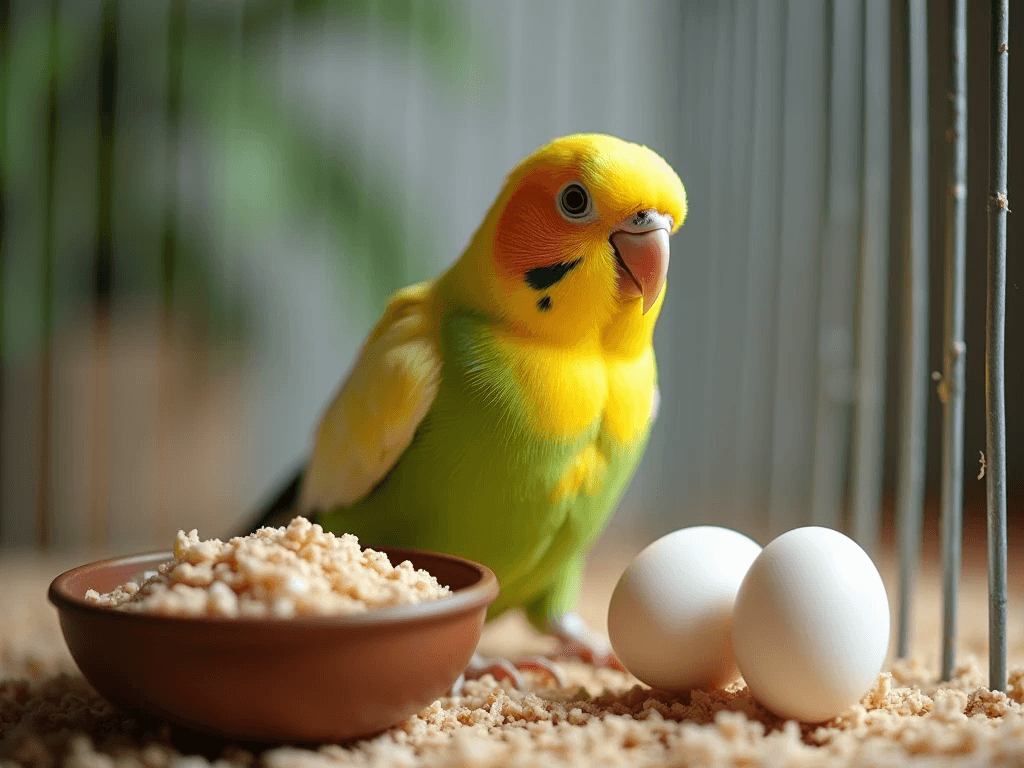

For egg-laying birds, proper nutrition and a suitable environment are essential for their health and productivity. In this article, we will explore the importance of providing the right balance of nutrients and creating a conducive living space for these feathered friends.
Importance of Nutrition for Egg-Laying Birds
Egg-laying birds, such as chickens, ducks, and quails, have specific dietary requirements to support their egg production. A diet rich in protein, vitamins, and minerals is crucial for ensuring healthy egg development and quality. Adequate calcium intake is also essential for producing strong eggshells.
Key Nutrients for Egg-Laying Birds:
- Protein: Essential for egg formation and overall health.
- Calcium: Needed for strong eggshells.
- Vitamin D: Helps with calcium absorption.
- Omega-3 fatty acids: Improves egg quality.
- Iron: Supports blood production during egg-laying.
- Creating a Suitable Environment for Egg-Laying Birds
In addition to nutrition, the environment plays a significant role in the well-being of egg-laying birds. A clean and spacious coop or nesting area is necessary for their comfort and safety. Proper ventilation and insulation can help regulate temperature fluctuations, especially in extreme weather conditions.
Essential Elements of a Bird-Friendly Environment:
- Nesting Boxes: Provide private and cozy spaces for birds to lay their eggs.
- Roosting Bars: Allow birds to perch comfortably during rest.
- Bedding Material: Absorbent and clean materials for nesting and egg-laying.
- Lighting: Ensure natural or artificial light for optimal egg production.
- Free-Range Access: Allow birds to roam and forage for supplemental nutrients.
Common Challenges in Egg-Laying Birds Nutrition and Environment
Bird owners may encounter various challenges when it comes to meeting the nutritional needs and environmental requirements of their egg-laying flock. Issues such as nutrient deficiencies, overcrowding, poor air quality, and inadequate lighting can impact egg production and bird health.
Tips for Overcoming Challenges:
- Consult with a poultry nutritionist for custom feed blends.
- Rotate bedding regularly to maintain cleanliness.
- Monitor flock behavior and adjust housing if needed.
- Provide access to fresh water and quality feed at all times.
- Implement biosecurity measures to prevent disease outbreaks.
Conclusion
In conclusion, ensuring proper nutrition and a suitable environment for egg-laying birds is crucial for their well-being and productivity. By understanding their specific dietary needs and creating a comfortable living space, bird owners can support healthy egg production and overall flock health. Remember to prioritize quality feed, adequate space, and good husbandry practices to keep your feathered friends happy and thriving.
Learn how to optimize nutrition and environment for egg-laying birds to ensure healthy eggs and happy flocks. Get tips and guidelines for bird care here!