
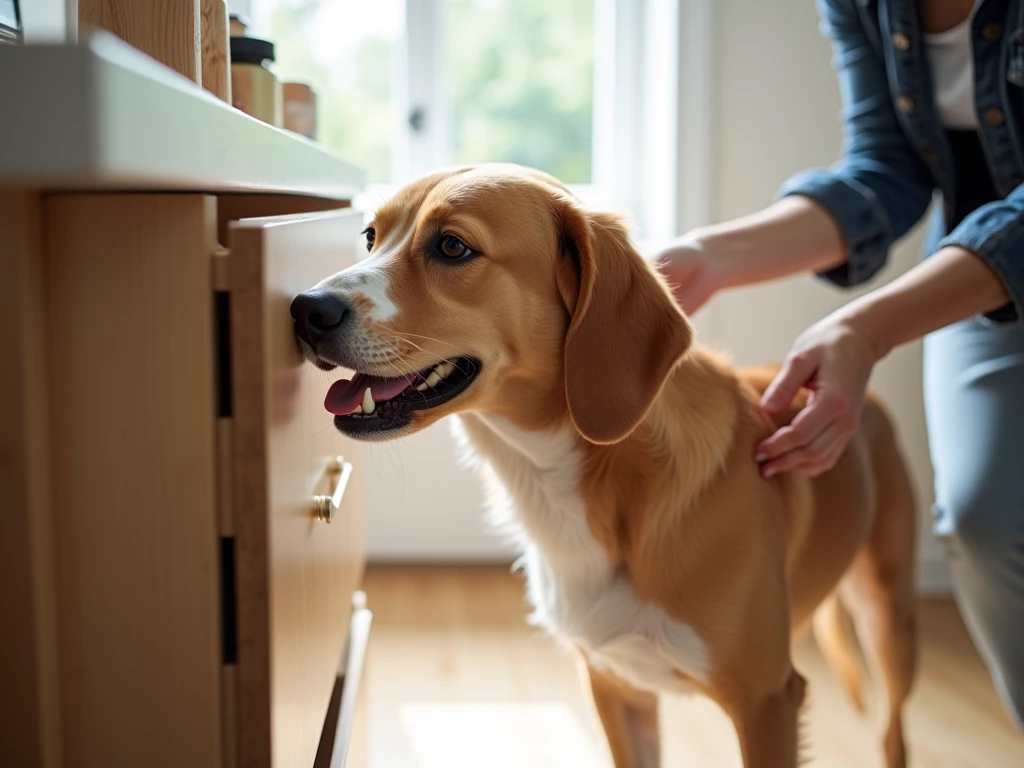

Our furry companions are more than just pets; they are part of the family. And while they bring us joy and companionship, did you know that they can also be trained to assist with everyday tasks? In this article, we will explore how you can teach your dog to provide mobility support, helping you in various activities and enhancing your quality of life.
Can my dog really assist me with mobility tasks?
Dogs are incredibly intelligent and trainable animals. They have the ability to learn and perform a wide range of tasks, including assisting individuals with mobility issues. Whether you have a physical disability, chronic pain, or simply need a helping hand, your dog can be trained to provide support in various ways.
How can I train my dog to assist with mobility tasks?
Training your dog to assist with mobility tasks requires patience, consistency, and positive reinforcement. Here are some steps you can take to start the training process:
- Identify specific tasks: Determine which tasks you need assistance with, such as picking up dropped items, opening doors, or providing stability while walking.
- Seek professional guidance: Consider working with a professional dog trainer or service dog organization to receive guidance on specific training techniques.
- Use positive reinforcement: Reward your dog with treats, praise, and affection when they successfully perform a task. This will help reinforce good behavior.
- Practice regularly: Consistent practice is key to successful training. Set aside time each day to work on specific tasks with your dog.
Be patient: Remember that training takes time and effort. Stay patient and positive throughout the process.
What are some common mobility tasks my dog can assist with?
There are various tasks that your dog can be trained to assist with. Some common mobility tasks include:
- Retrieving items: Your dog can be trained to pick up dropped items, such as keys or a phone, and bring them to you.
- Opening doors: With the proper training, your dog can learn to open doors by pulling on a rope or lever.
- Providing stability: Dogs can be trained to provide stability and balance while walking, especially for individuals with mobility issues.
- Assistance with dressing: Your dog can help with tasks such as pulling off socks or jackets.
- Alerting others: Dogs can be trained to alert others in case of an emergency or if you are in need of assistance.
In conclusion, training your dog to assist with mobility tasks can greatly improve your quality of life and independence. With patience, consistency, and the right training techniques, your furry companion can become a valuable helper in your day-to-day activities. So why wait? Start training your dog today and embark on a new journey of companionship and support!