
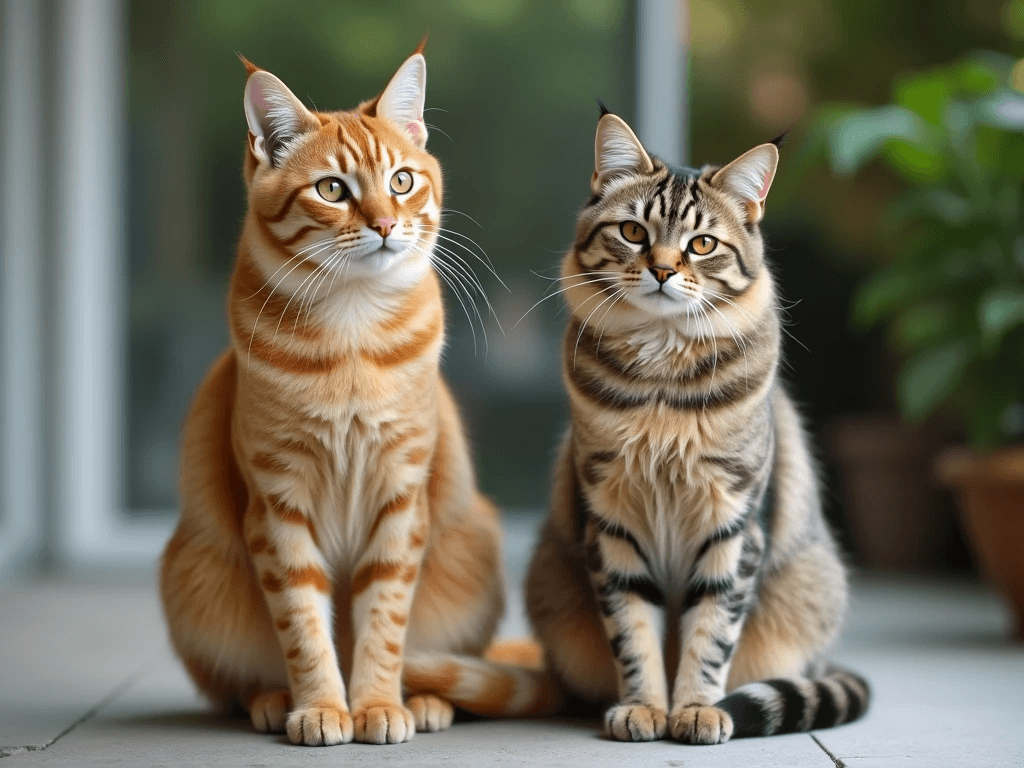

If you’re a cat owner, you may have observed some interesting differences in behavior between male and female cats. One aspect that can greatly affect their behavior is mating. In this article, we will explore how male and female cats differ in their behavior due to mating and how this may impact their overall personalities.
Understanding Male Cats
Male cats, also known as toms, are known for their territorial behavior. This trait is especially pronounced in intact male cats who have not been neutered. When a male cat reaches sexual maturity, around six months of age, he may exhibit aggressive behaviors to establish and defend his territory. This can include spraying urine to mark his territory or engaging in fights with other male cats.
Additionally, mating behaviors in male cats can cause them to become more vocal and restless. They may yowl loudly to attract a mate, especially during the breeding season. This behavior can be disruptive, especially if you have neighbors close by.
Understanding Female Cats
Female cats, also known as queens, can also exhibit changes in behavior due to mating. When a female cat is in heat, she may become more affectionate and seek attention from her owner. However, she may also yowl loudly and display restless behavior as she seeks a mate. Female cats in heat may also exhibit nesting behaviors as they prepare for potential mating.
Another important aspect of female cat behavior related to mating is the possibility of pregnancy. If a female cat mates and becomes pregnant, her behavior may change significantly as she prepares for motherhood. This can include increased nesting behaviors, seeking out a quiet and safe space to give birth, and becoming more protective of her kittens.
How Mating Affects Behavior Differently
While both male and female cats may exhibit changes in behavior due to mating, there are some key differences between the two. Male cats tend to show more territorial behaviors and aggression, especially if they are intact. On the other hand, female cats may display more vocalization and restlessness when in heat.
Additionally, the impact of mating on behavior can vary depending on whether the cat is spayed or neutered. Spaying or neutering your cat can help reduce these mating-related behaviors and also has health benefits for your furry friend.
In conclusion, male and female cats may exhibit different behaviors due to mating. Understanding these differences can help you provide the best care for your feline companion. Whether you have a male or female cat, it’s essential to monitor their behavior and consult with your veterinarian if you have any concerns.
In summary, male and female cats may behave differently due to mating, with male cats showing more territorial and aggressive behaviors, while female cats may display more vocalization and restlessness. Spaying or neutering your cat can help reduce these behaviors and provide health benefits for your pet.
Learn how mating affects the behavior of male and female cats differently and how spaying or neutering can help reduce mating-related behaviors.