
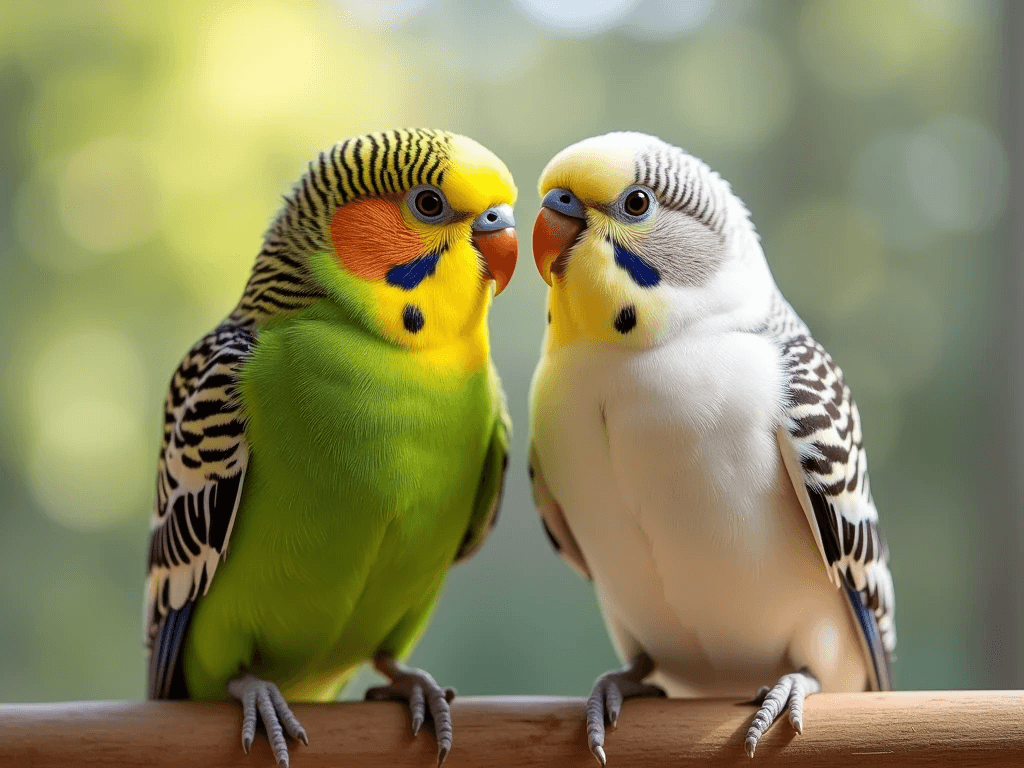

When it comes to observing bird behavior, one interesting aspect to explore is how mating affects male and female birds differently. Understanding the dynamics between male and female birds can provide valuable insights into their behavior patterns and mating rituals. In this article, we will delve into the differences in behavior exhibited by male and female birds during the mating season and how these differences play a crucial role in their overall reproductive success.
Male Birds: The Show-Offs
Male birds are often known for their vibrant plumage and elaborate courtship displays. These visual cues are essential in attracting potential mates and establishing dominance within their species. Male birds go to great lengths to impress females, whether through intricate mating dances, melodious songs, or showcasing their brightly colored feathers. This behavior is a clear demonstration of their fitness and genetic superiority, which is highly sought after by females during the mating season.
Female Birds: The Choosy Ones
On the other hand, female birds are more selective in choosing their mates. They carefully evaluate the displays and behaviors of male birds before making a decision. Female birds are looking for specific traits that indicate good genes, such as strong physical attributes, healthy plumage, and the ability to provide ample resources for their offspring. This selective behavior ensures that female birds choose the best possible mate to increase the chances of successful reproduction and offspring survival.
How Mating Affects Behavior
Mating has a profound impact on the behavior of both male and female birds. During the mating season, male birds become more territorial and aggressive as they defend their chosen breeding grounds from rival males. This behavior is crucial in securing a mate and ensuring that their genetic lineage is passed on to the next generation. Female birds, on the other hand, may exhibit heightened aggression towards other females as they compete for the attention of high-quality males.
Do Male and Female Birds Share Parenting Duties Equally?
One common misconception is that male and female birds share parenting duties equally. In reality, the level of parental care varies greatly between species. While some bird species exhibit cooperative breeding, where both parents play an active role in raising the offspring, others have more distinct roles. For example, in some species, the female is solely responsible for incubating the eggs, while the male provides food and protection.
Conclusion
In conclusion, mating profoundly affects the behavior of male and female birds in different ways. While male birds strive to impress and attract females with elaborate displays, female birds are selective in choosing the best possible mate. Understanding these behavioral differences is crucial in studying bird species and their unique mating rituals. By observing and analyzing the behavior of male and female birds during the mating season, researchers can gain valuable insights into the evolutionary processes that shape avian behavior.
Male vs female birds: Discover how mating affects behavior differently in the avian world. Explore the dynamics between male and female birds during the mating season.
By exploring the fascinating world of bird behavior, we can gain a deeper understanding of the intricate dynamics between male and female birds during the mating season. From elaborate courtship displays to selective mate choice, the behavior of male and female birds offers valuable insights into the evolutionary processes that drive avian reproduction. So the next time you spot a colorful male bird showing off for a potential mate or a female bird carefully evaluating her options, take a moment to appreciate the complex and fascinating world of avian mating behavior.