
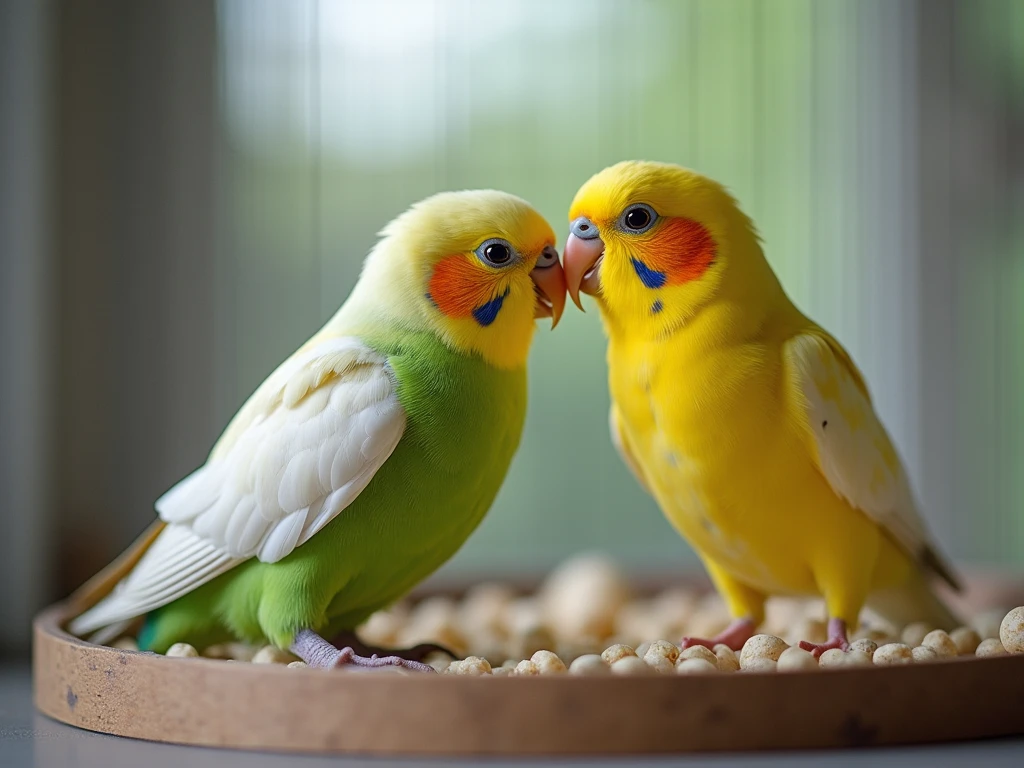

Learn the signs to look for to determine if your bird is ready to breed and when it may be best to discourage breeding behavior.
Breeding birds can be a rewarding experience for bird owners, but it’s important to understand the signs that indicate your bird is ready to breed. Knowing when to encourage or discourage breeding behavior can help ensure the health and well-being of your feathered friend. In this article, we will discuss the signs that your bird is ready to breed and provide guidance on when it may be best to discourage breeding behavior.
Signs Your Bird Is Ready to Breed
Breeding behavior in birds can manifest in various ways, and it’s essential to be able to recognize these signs early on. Here are some common signs that indicate your bird may be ready to breed:
- Nesting Behavior: If your bird starts displaying nesting behavior, such as shredding paper or fabric to create a nest, this is a clear indication that they may be ready to breed.
- Increased Chirping: Birds that are ready to breed may exhibit more vocalization, including increased chirping or singing, to attract a mate.
- Aggressive Behavior: Some birds may become more territorial and aggressive when they are ready to breed. This can manifest as biting, lunging, or feather plucking.
- Courtship Displays: Male birds may perform elaborate courtship displays, such as bowing, puffing up their feathers, or offering food to a potential mate.
- Egg-Laying: Female birds may start laying eggs, even if they have not been in contact with a male bird. This is a clear sign that your bird’s hormones are urging them to breed.
When to Discourage Breeding Behavior
While breeding behavior is natural for birds, there are times when it may be best to discourage breeding to prevent potential health issues or behavioral problems. Here are some situations in which it may be necessary to discourage breeding behavior:
- Overpopulation: If you have multiple birds in your household and do not have the resources to care for an expanded flock, it may be best to discourage breeding to prevent overpopulation.
- Health Concerns: Breeding can take a toll on a bird’s health, especially if they are not in peak physical condition. If your bird has health issues, it may be best to discourage breeding to prevent complications.
- Aggressive Behavior: If breeding behavior is leading to increased aggression between birds, it may be necessary to discourage breeding to maintain harmony in the flock.
- Limited Resources: Breeding and raising offspring require time, effort, and resources. If you are not prepared to provide adequate care for the offspring, it may be best to discourage breeding.
In conclusion, understanding the signs that indicate your bird is ready to breed is essential for responsible bird ownership. By recognizing these signs and knowing when to discourage breeding behavior, you can help ensure the health and well-being of your beloved feathered companions.