
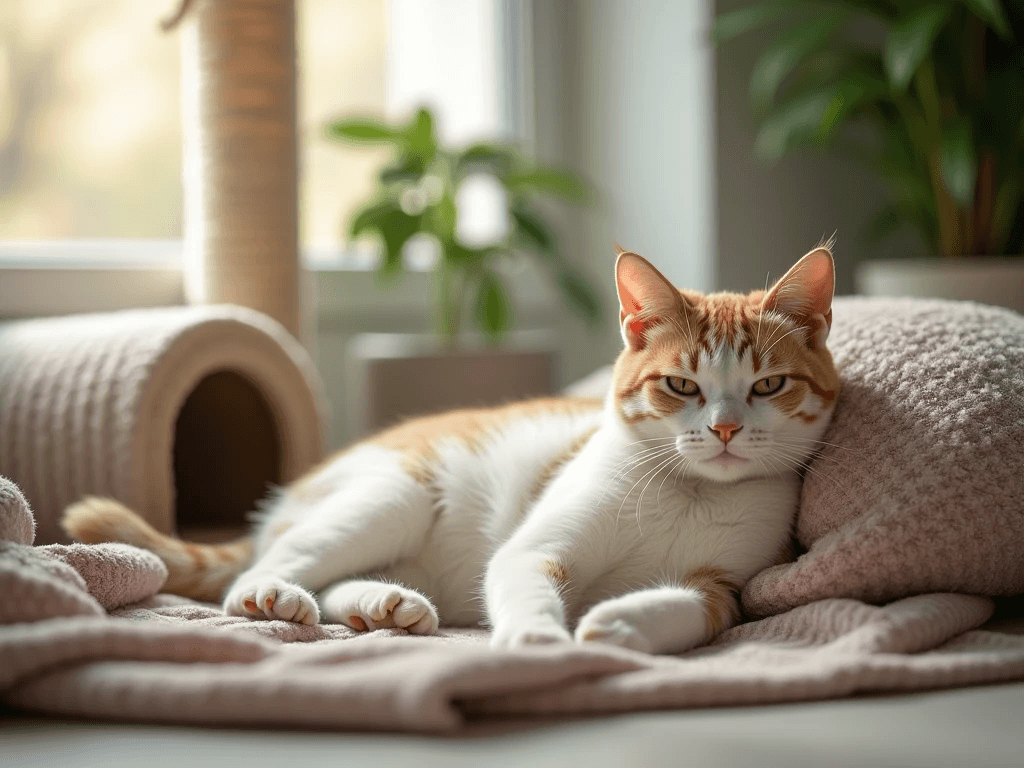

Cats are known for their independent and sometimes aloof nature, but even these resilient animals can experience stress and anxiety. As a cat owner, it is important to understand the signs of stress in your feline friend and take steps to help them feel calm and relaxed. In this article, we will explore effective ways to reduce stress and anxiety in cats so you can ensure your furry companion’s well-being.
Recognizing Stress and Anxiety in Cats
Stress and anxiety in cats can manifest in various ways, including excessive grooming, hiding, aggression, and changes in appetite. It is essential to be able to recognize these signs so you can address your cat’s emotional needs effectively. Some common signs of stress in cats include:
- Excessive meowing
- Litter box issues
- Decreased appetite
- Aggression towards humans or other animals
- Hiding or avoiding interaction
If you notice any of these behaviors in your cat, it is important to take action to help them feel more at ease.
Creating a Safe and Comfortable Environment
One of the most effective ways to reduce stress and anxiety in cats is by creating a safe and comfortable environment for them. This can involve providing plenty of hiding spots, vertical space for climbing, and comfortable resting areas. Additionally, consider using pheromone diffusers or calming sprays to help create a soothing atmosphere for your cat.
Providing Enrichment and Mental Stimulation
Cats are intelligent animals that need mental stimulation to thrive. Providing enrichment activities such as puzzle feeders, interactive toys, and regular play sessions can help reduce stress and anxiety in your cat. Additionally, consider setting up a comfortable window perch so your cat can watch the world go by and stay entertained.
Establishing a Routine
Cats thrive on routine, so establishing a consistent schedule for feeding, playtime, and grooming can help reduce stress and anxiety. Ensure that your cat has access to fresh water, a clean litter box, and a quiet space for rest and relaxation. Consistency and predictability can help your cat feel more secure and less anxious.
Veterinary Care and Professional Guidance
If your cat is experiencing chronic stress or anxiety, it may be beneficial to seek veterinary care or consult with a professional animal behaviorist. Your veterinarian can rule out any underlying medical conditions that may be contributing to your cat’s symptoms and recommend appropriate treatment options. A behaviorist can provide insights and strategies to help your cat feel more at ease in their environment.
Conclusion:
Reducing stress and anxiety in cats is essential for maintaining their overall health and well-being. By recognizing the signs of stress, creating a safe environment, providing mental stimulation, establishing a routine, and seeking professional guidance when needed, you can help your feline companion feel calm and relaxed. Remember that every cat is unique, so be patient and attentive to your pet’s individual needs. By taking proactive steps to reduce stress and anxiety, you can ensure that your cat lives a happy and fulfilling life.
Learn effective ways to reduce stress and anxiety in cats, including creating a safe environment, providing mental stimulation, and establishing a routine for your furry friend.