
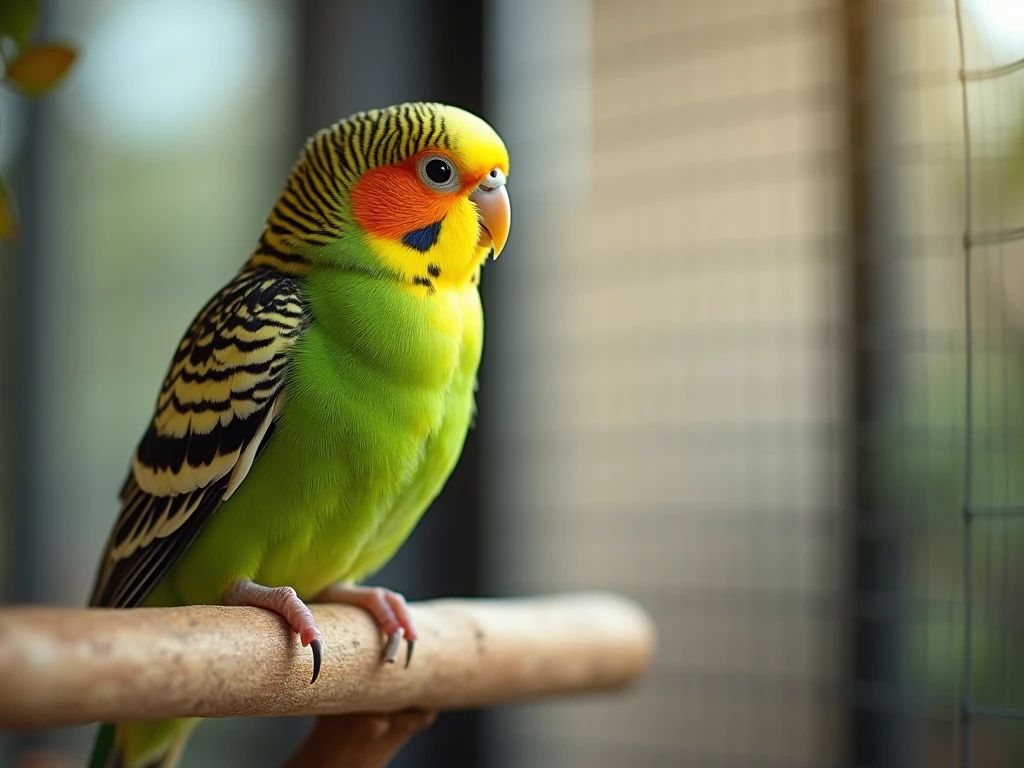

Reducing hormonal behavior in pet birds is essential to ensure their well-being and maintain a harmonious relationship with their owners. Hormonal behavior in birds can lead to aggression, excessive vocalization, and other undesirable traits. In this article, we will discuss effective and safe ways to reduce hormonal behavior in pet birds.
Understanding Hormonal Behavior in Pet Birds
Pet birds, such as parrots and cockatiels, are known to exhibit hormonal behavior, especially during breeding season. This behavior is driven by the hormonal changes that occur in their bodies, signaling the urge to reproduce. Symptoms of hormonal behavior in birds include increased vocalization, territorial aggression, and excessive preening.
Providing a Balanced Diet
One of the most important steps in reducing hormonal behavior in pet birds is to provide a balanced diet. A diet rich in fruits, vegetables, and high-quality pellets can help regulate hormone levels and prevent excessive hormonal behavior. Avoid feeding your bird a diet high in seeds, as this can contribute to hormonal imbalances.
Limiting Exposure to Artificial Light
Artificial lighting can mimic the longer days of spring and summer, which can trigger hormonal behavior in birds. To reduce this effect, ensure that your bird’s cage is not directly exposed to artificial light sources for long periods. Stick to a natural light cycle to help regulate your bird’s hormone levels.
Providing Adequate Environmental Enrichment
Engaging your bird in stimulating activities can help redirect their hormonal behavior in a positive way. Provide plenty of toys, puzzles, and foraging opportunities to keep your bird mentally and physically active. This can help alleviate stress and prevent hormonal imbalances.
Avoiding Nesting Materials
Providing nesting materials, such as shredded paper or fabric, can trigger hormonal behavior in pet birds. Avoid placing these materials in your bird’s cage, as it can stimulate the urge to build a nest and breed. Opt for safe and alternative toys for your bird to play with instead.
Seeking Professional Help
If your bird’s hormonal behavior persists despite your best efforts, it may be beneficial to seek help from a professional avian veterinarian or behaviorist. They can provide expert advice and guidance on managing hormonal behavior in your pet bird safely and effectively.
In conclusion, reducing hormonal behavior in pet birds requires a combination of proper diet, environmental enrichment, and avoiding triggers that can stimulate hormonal imbalances. By taking proactive steps and providing a nurturing environment for your bird, you can help them lead a happy and healthy life. Remember to consult with a professional if you are struggling to manage your bird’s hormonal behavior effectively.
Learn how to safely reduce hormonal behavior in pet birds to maintain a harmonious relationship with your feathered friend. Follow these expert tips for a happy and healthy bird.