
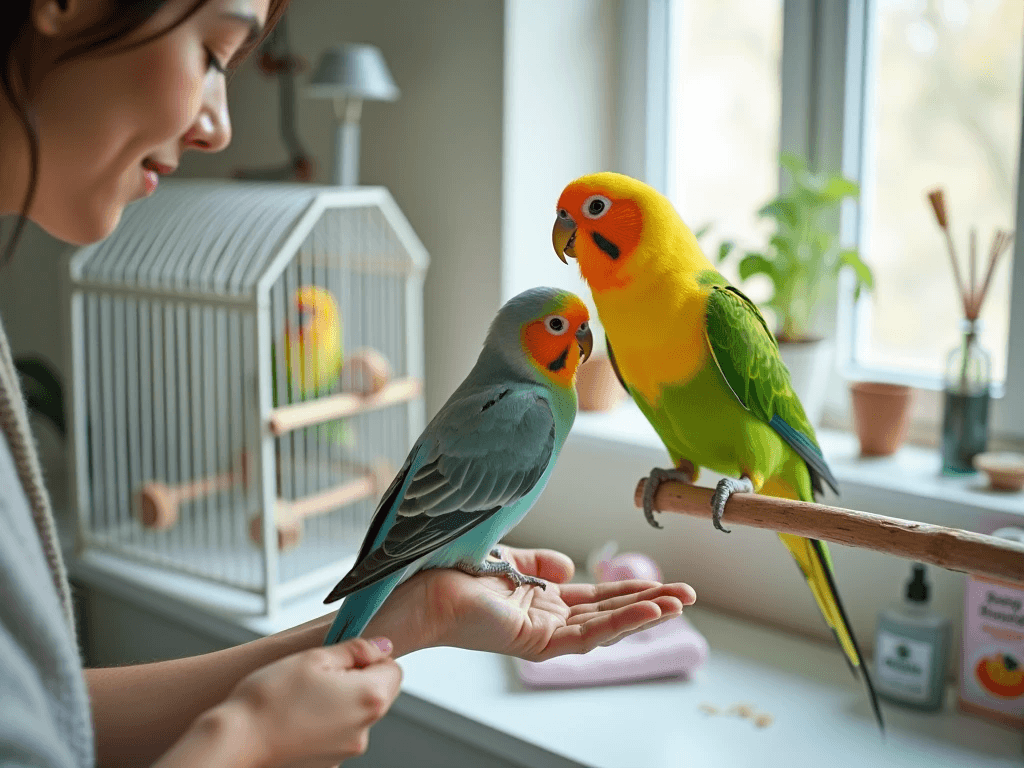

Learn expert tips on how to prevent smells and bacteria in your bird’s cage to ensure a clean and healthy environment for your feathered friend.
Owning a bird can bring joy and companionship into your life, but it also comes with the responsibility of maintaining a clean and healthy environment for your feathered friend. One of the biggest challenges that bird owners face is preventing smells and bacteria in their bird’s cage. In this article, we will discuss some expert tips on how to keep your bird’s cage clean and odor-free.
Preventing Smells and Bacteria in Your Bird’s Cage
One of the most important steps in preventing smells and bacteria in your bird’s cage is to clean it regularly. Birds are naturally messy creatures, and their droppings can quickly accumulate and create an ideal breeding ground for bacteria. Here are some tips to help you maintain a clean and healthy environment for your bird:
- Daily Spot Cleaning: Make it a habit to remove any soiled bedding, food, or droppings from your bird’s cage on a daily basis. This will help prevent the buildup of bacteria and odors.
- Weekly Deep Cleaning: In addition to daily spot cleaning, you should also perform a deeper cleaning of your bird’s cage on a weekly basis. Remove all toys, perches, and accessories from the cage and wash them with a bird-safe cleaner. Thoroughly clean the cage bars, bottom tray, and any other surfaces with warm, soapy water.
- Choose the Right Bedding: The type of bedding you use in your bird’s cage can have a significant impact on odors and bacteria buildup. Opt for a bedding material that is easy to clean, such as paper-based bedding or corn cob bedding.
- Proper Ventilation: Ensure that your bird’s cage is placed in a well-ventilated area to prevent stale air and moisture buildup, which can contribute to odors and bacterial growth. Consider using a fan or opening a window to improve air circulation.
- Provide a Healthy Diet: A bird’s diet can also affect the smell of their droppings. Make sure your bird is receiving a balanced and nutritious diet to help regulate their digestive system and reduce odors.
- Regular Vet Check-ups: Regular veterinary check-ups are essential for monitoring your bird’s health and detecting any potential issues early on. A healthy bird is less likely to develop bacterial infections that can cause odors.
In conclusion, maintaining a clean and odor-free environment in your bird’s cage is essential for their health and well-being. By following these expert tips on preventing smells and bacteria, you can ensure that your feathered friend lives a happy and healthy life. Remember, a clean cage is a happy cage!
So, are you ready to take the necessary steps to prevent smells and bacteria in your bird’s cage? By following these expert tips, you can create a clean and healthy environment that both you and your bird will enjoy.