
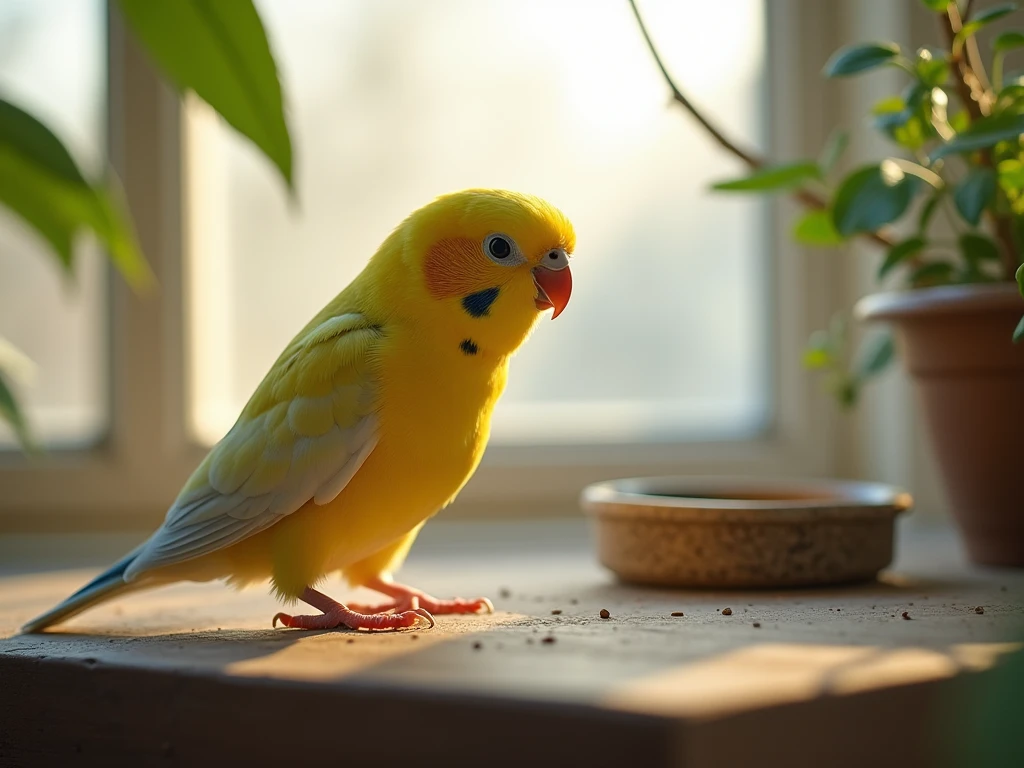

Are you curious about how certain factors like light, diet, and environment can significantly impact bird mating behavior? In this article, we will delve into the fascinating world of bird reproduction and explore the ways in which these key elements play a crucial role in triggering bird mating. So, let’s spread our wings and take flight into the intricate dance of courtship and reproduction in the avian world!
The Role of Light in Bird Mating
Have you ever noticed how the length of daylight hours can influence bird breeding patterns? Light plays a crucial role in regulating the hormonal changes that signal the onset of the breeding season in birds. As the days lengthen, the pineal gland in birds is stimulated to produce hormones that stimulate the reproductive system. This triggers behaviors such as singing, nest building, and courtship displays.
In addition to the length of daylight hours, the quality of light also plays a role in bird mating. For example, bright, clear skies are often associated with good weather conditions for breeding, while cloudy or rainy days may dampen the mood for courtship activities. Birds rely on visual cues such as sunlight to assess the fitness and attractiveness of potential mates, making light a critical factor in the mating process.
The Importance of Diet in Bird Mating
Did you know that a bird’s diet can have a direct impact on its ability to attract a mate and successfully reproduce? Nutrient-rich foods play a vital role in maintaining the health and reproductive success of birds. For example, certain foods high in protein and fats can enhance the condition of a bird’s plumage, making it more attractive to potential mates.
In some bird species, food availability can also influence mating behavior. For instance, during the breeding season, male birds may bring food offerings to females as part of their courtship display. These food offerings not only serve as a demonstration of the male’s ability to provide for potential offspring but also act as a way to strengthen the pair bond between mates.
The Influence of Environment on Bird Mating
Have you ever wondered how the environment can shape bird mating behavior? Birds are highly adaptable creatures that have evolved a variety of mating strategies to cope with different environmental conditions. Factors such as temperature, humidity, and habitat quality can all impact the timing and success of bird mating.
For example, in tropical regions where food is abundant year-round, some bird species may breed continuously throughout the year. In contrast, birds in temperate climates may be more seasonal breeders, timing their reproduction to coincide with peak food availability. Environmental cues such as the presence of suitable nesting sites and predator activity can also influence where and when birds choose to mate.
In conclusion, the interplay of light, diet, and environment plays a crucial role in triggering bird mating behaviors. By understanding how these factors influence the reproductive success of birds, we can gain valuable insights into the complex and fascinating world of avian courtship and breeding. So, the next time you hear the sweet melody of birdsong or catch a glimpse of a colorful courtship display, remember the intricate dance of light, diet, and environment that has set the stage for this awe-inspiring spectacle of nature.
How Light, Diet, and Environment Trigger Bird Mating
Discover how factors like light, diet, and environment influence bird mating behaviors and reproductive success. Learn more about the intricate dance of courtship in the avian world.
Remember, the world of bird mating is as diverse and complex as the bird species themselves. By unraveling the mysteries of light, diet, and environment, we can gain a deeper appreciation for the wonder and beauty of avian courtship and reproduction. So, the next time you observe birds engaging in their intricate mating rituals, take a moment to marvel at the role that light, diet, and environment play in sparking the flames of love in the avian world.