
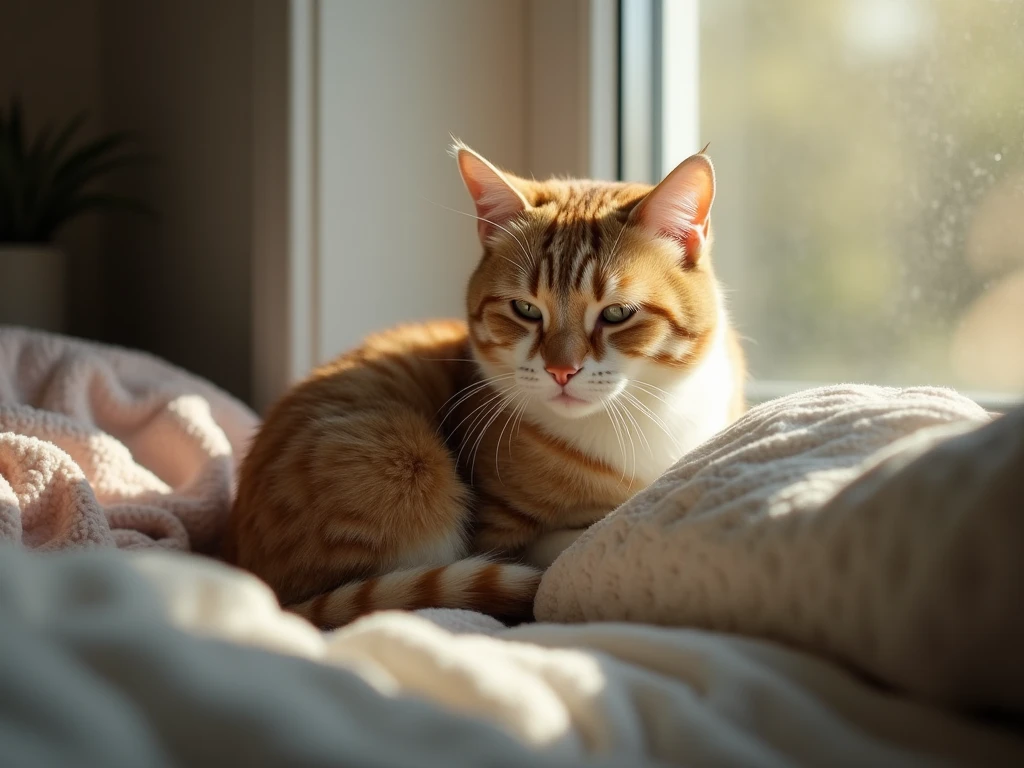

Cats are known for their independent nature and aloof demeanor, but that doesn’t mean they are immune to feelings of grief and loss. Just like humans, cats can experience a range of emotions when faced with the death of a beloved companion or a significant change in their environment. Understanding how cats react to grief can help pet owners provide the necessary support and care during difficult times.
How do Cats Express Grief?
When a cat experiences loss, whether it be the death of a fellow feline friend or a change in their living situation, their behavior may change dramatically. Some common signs of grief in cats include:
- Loss of Appetite: Cats may refuse to eat or have a decreased interest in food when they are grieving.
- Increased Vocalization: Some cats may meow more frequently or loudly as a way to express their distress.
- Withdrawal: Grieving cats may become more aloof and prefer to be alone rather than seeking out human or feline companionship.
- Changes in Sleeping Patterns: Cats may sleep more or less than usual when they are grieving.
How to Help Cats Cope with Grief
As a pet owner, there are several ways you can help your cat cope with grief and navigate through the difficult emotions they may be experiencing. Here are some tips to support your feline friend during times of loss and change:
- Provide Comfort: Create a safe and cozy space for your cat to retreat to when they are feeling overwhelmed. Offer plenty of soft bedding, toys, and familiar scents to help them feel secure.
- Maintain Routine: Keeping a consistent daily routine can help reassure your cat and provide a sense of stability during times of upheaval.
- Offer Affection: Show your cat extra love and attention by spending quality time together, playing games, or engaging in gentle petting sessions.
- Consult with a Veterinarian: If your cat’s grief persists for an extended period of time or is accompanied by concerning symptoms, such as refusal to eat or lethargy, consult with a veterinarian for professional guidance.
Can Cats Experience Separation Anxiety?
Yes, cats can experience separation anxiety when faced with the loss of a companion or a significant change in their environment. Symptoms of separation anxiety in cats may include:
- Excessive meowing or vocalization
- Destructive behavior, such as scratching furniture or doors
- Inappropriate elimination outside the litter box
- Aggression towards other pets or humans
It’s essential to address separation anxiety in cats promptly to prevent further distress and ensure their emotional well-being.
Conclusion:
In conclusion, cats are sensitive and emotional creatures that can experience grief and loss in ways that may surprise their human companions. By understanding how cats react to loss and change, pet owners can provide the necessary support and comfort to help their feline friends navigate through difficult times. Remember to offer patience, love, and compassion to your grieving cat, and consult with a veterinarian if needed. After all, a little extra care and understanding can go a long way in helping your furry friend heal and move forward.