
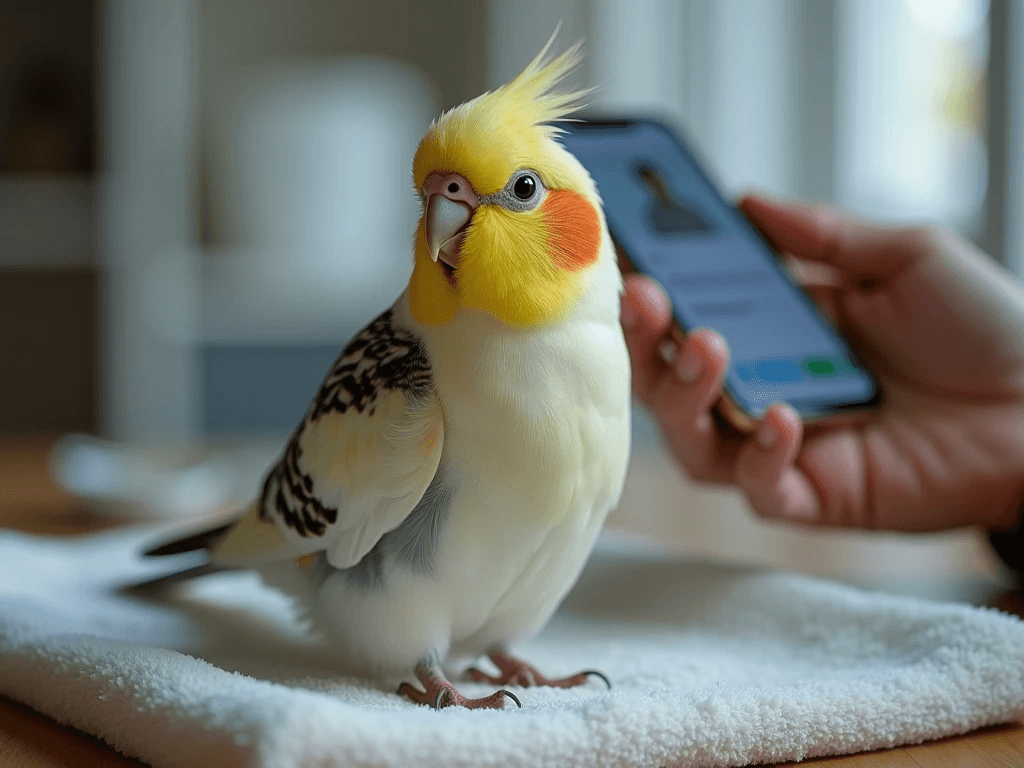

When you have a pet bird, it’s important to be able to recognize when they may be in need of emergency medical attention. Birds are masters at hiding illness, so it’s crucial to pay close attention to any changes in their behavior or physical appearance. In this article, we will discuss how to determine whether your bird needs to see a vet right away or if their symptoms can be monitored at home.
Signs of an Emergency:
- Labored Breathing: If your bird is breathing with difficulty or making any unusual sounds while breathing, this could indicate a respiratory emergency. Bring them to the vet immediately.
- Bleeding: Any bleeding that won’t stop or is excessive should be treated as an emergency. Apply pressure to the wound and head to the vet as soon as possible.
- Sudden Weakness or Inability to Fly: If your bird suddenly becomes weak or is unable to fly, it could be a sign of a serious medical issue. Contact your vet for advice.
- Loss of Balance or Coordination: This could indicate a neurological problem, which should be addressed by a professional. Don’t wait to seek help.
Non-Emergency Situations:
While there are certainly times when immediate medical attention is necessary, not every symptom your bird displays requires an emergency visit to the vet.
Common Non-Emergency Issues:
- Mild Feather Fluffing: Birds will often fluff up their feathers to regulate their body temperature or when they are resting. This is usually not a cause for concern.
- Intermittent Sneezing or Coughing: Just like humans, birds can have occasional sneezing or coughing fits. If it’s infrequent and your bird is otherwise acting normal, it might not require immediate attention.
- Mild Change in Droppings: Birds’ droppings can vary in color and consistency depending on their diet. Keep an eye on any drastic changes, but a small variation is usually nothing to worry about.
So, When Should You Call the Vet?
It can be tough to determine whether your bird’s symptoms are cause for alarm or not. If you’re ever in doubt, it’s best to err on the side of caution and contact your avian vet for guidance. They’ll be able to assess the situation and advise you on the best course of action.
In conclusion, being able to recognize when your bird needs emergency medical attention is crucial for their health and well-being. By paying close attention to their behavior and any symptoms they may display, you can ensure that your feathered friend receives the care they need when they need it most.
When it comes to your bird’s health, knowing when to seek emergency veterinary care is essential. Learn the signs to look out for in this informative article.