
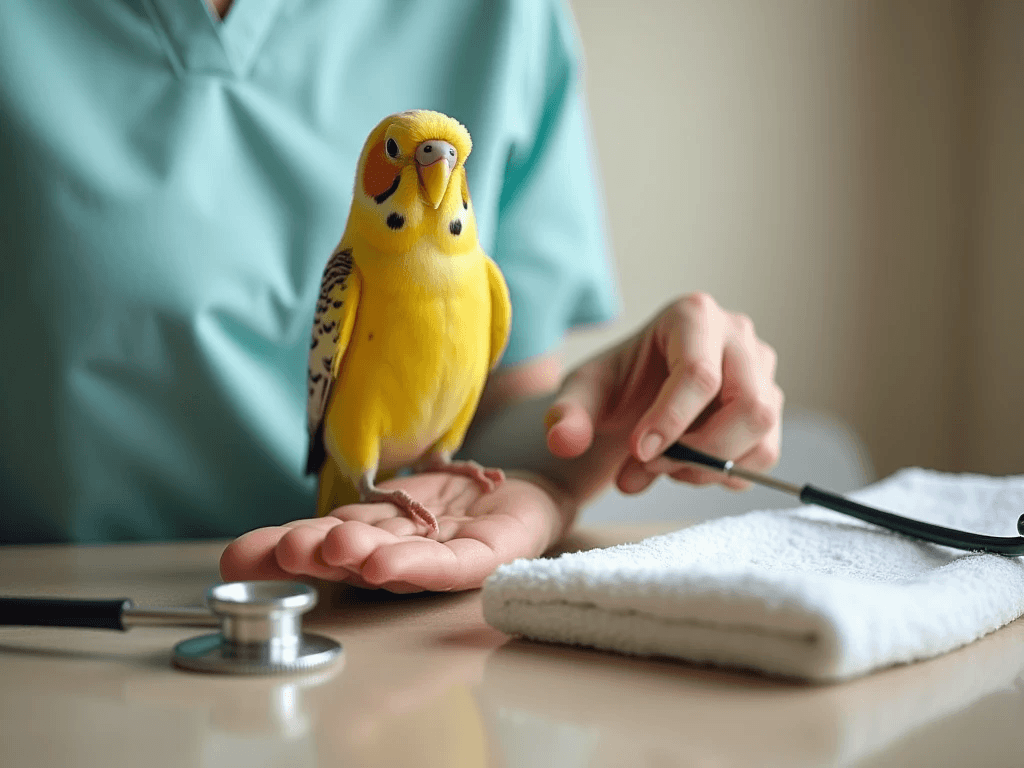

Are you a bird owner looking to breed your feathered friends? While breeding can be an exciting and rewarding experience, it’s important to be aware of the potential risks that can arise during the breeding process. One common issue that bird breeders may encounter is egg binding, a condition where a bird is unable to lay its eggs. In this article, we’ll explore egg binding in birds, as well as other breeding risks that you should be aware of.
Understanding Egg Binding
Egg binding occurs when a female bird is unable to expel an egg from its reproductive tract. This can be caused by a variety of factors, including nutritional deficiencies, lack of exercise, and genetics. When a bird is egg bound, it may show signs of distress, such as straining, fluffed feathers, and decreased appetite. If left untreated, egg binding can lead to serious health complications for the bird, including infection and even death.
What to Do If Your Bird is Egg Bound
If you suspect that your bird is egg bound, it’s important to seek veterinary attention immediately. A veterinarian will be able to assess the situation and determine the best course of treatment for your bird. This may involve gently massaging the bird’s abdomen to help stimulate egg laying, administering medications to help with the process, or in severe cases, surgical intervention to remove the egg.
Other Breeding Risks to Be Aware Of
In addition to egg binding, there are other risks that bird breeders should be mindful of. These include:
- Egg Fertility Issues: Sometimes, eggs laid by birds may not be fertile, leading to unsuccessful hatching. This can be caused by a variety of factors, including genetics, age, and environmental conditions. To increase the chances of successful hatching, it’s important to ensure that breeding pairs are healthy and well-nourished.
- Inbreeding: Breeding birds that are closely related can lead to genetic abnormalities and health issues in offspring. To avoid inbreeding, it’s important to carefully select breeding pairs and introduce new genetic lines into your breeding program.
- Overbreeding: Constant breeding can put strain on a bird’s body, leading to health issues such as nutrient deficiencies and weakened immune systems. It’s important to give breeding pairs adequate rest periods between breeding cycles to ensure their health and well-being.
In conclusion, while breeding birds can be a fulfilling experience, it’s important to be aware of the potential risks that can arise. By understanding common breeding risks such as egg binding and taking proactive measures to prevent them, you can help ensure the health and well-being of your feathered friends. If you encounter any issues during the breeding process, don’t hesitate to seek veterinary attention to address them promptly. Happy breeding!
Learn about the risks of egg binding and other breeding issues in birds. Find out how to prevent and address these issues for a successful breeding experience.