

Introduction:
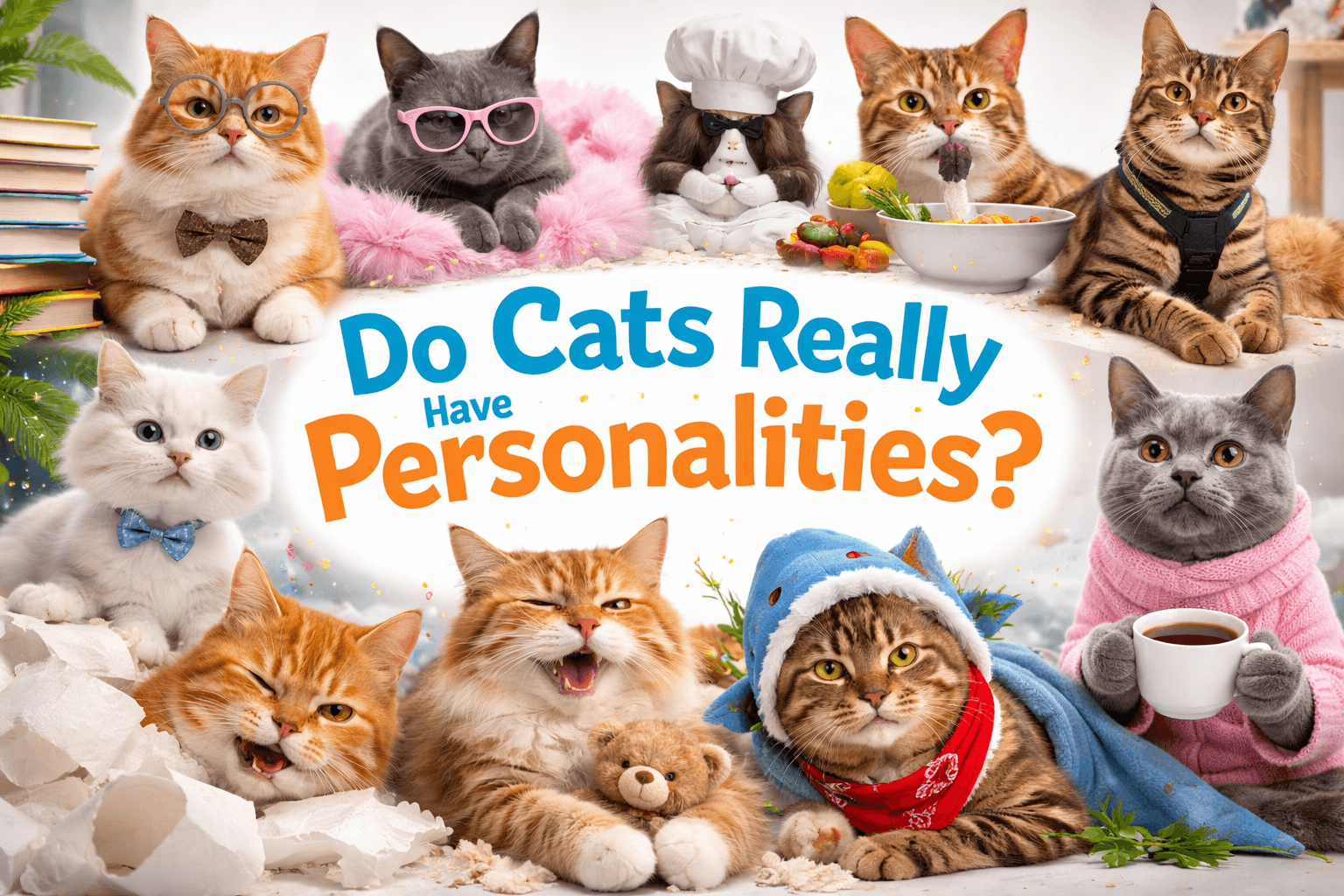
Cats have long been known for their mysterious and independent nature. But do they really have unique personalities? According to science, the answer is a definitive yes. Recent studies have shown that cats, much like humans, exhibit a wide range of personality traits that shape their behavior and interactions with their environment. Let’s dive into the fascinating world of feline personalities and explore what science has to say on the matter.
The Science Behind Feline Personalities
When it comes to studying the personalities of cats, researchers typically use a framework known as the “Big Five” personality dimensions. These dimensions include openness, conscientiousness, extraversion, agreeableness, and neuroticism. Studies have shown that cats, like humans, exhibit variations in each of these dimensions, leading to a diverse range of personalities among our feline friends.
- Openness: Openness in cats refers to their level of curiosity and willingness to explore new experiences. Cats with high levels of openness are often more adventurous and inquisitive, while cats with low levels may be more cautious and reserved.
- Conscientiousness: Conscientiousness in cats relates to their level of organization and discipline. Cats with high conscientiousness are typically more predictable and routine-oriented, while cats with low levels may be more impulsive and carefree.
- Extraversion: Extraversion in cats refers to their level of sociability and outgoingness. Cats with high levels of extraversion are often more friendly and affectionate, while cats with low levels may be more aloof and independent.
- Agreeableness: Agreeableness in cats reflects their level of cooperativeness and friendliness. Cats with high agreeableness are typically more gentle and easily approachable, while cats with low levels may be more aggressive or standoffish.
- Neuroticism: Neuroticism in cats relates to their level of emotional stability and reactivity to stress. Cats with high levels of neuroticism may be more easily stressed and prone to anxiety, while cats with low levels are typically more laid-back and relaxed.
The Role of Genetics and Environment
While genetics play a significant role in shaping a cat’s personality, their environment also plays a crucial role in determining how these traits manifest. Factors such as early life experiences, socialization, and daily interactions with their human companions can all influence a cat’s personality development. By providing a nurturing and stimulating environment, cat owners can help foster positive personality traits in their feline companions.
- Early Life Experiences: Kittens that receive proper socialization and positive interactions early in life are more likely to develop confident and well-adjusted personalities. Exposing kittens to a variety of stimuli and experiences during their critical socialization period can help shape their personalities for the better.
- Socialization: Regular socialization with other cats, animals, and humans can help cats develop their social skills and learn how to interact positively with others. Cats that are well-socialized from a young age are more likely to exhibit friendly and outgoing personalities.
- Human Interactions: The quality of a cat’s relationship with their human companion can also impact their personality. Cats that receive love, attention, and positive reinforcement from their owners are more likely to exhibit affectionate and trusting personalities.
Conclusion
In conclusion, cats do indeed have personalities that are shaped by a combination of genetics and environment. By understanding the various dimensions of feline personalities and the factors that influence them, cat owners can better appreciate and nurture the unique traits of their beloved pets. So, the next time your cat displays a curious or affectionate behavior, remember that it’s all part of their unique personality shining through.
Remember, each cat is unique, and it’s essential to appreciate and respect their individual personalities. So, do cats really have personalities? According to science, the answer is a resounding yes!