
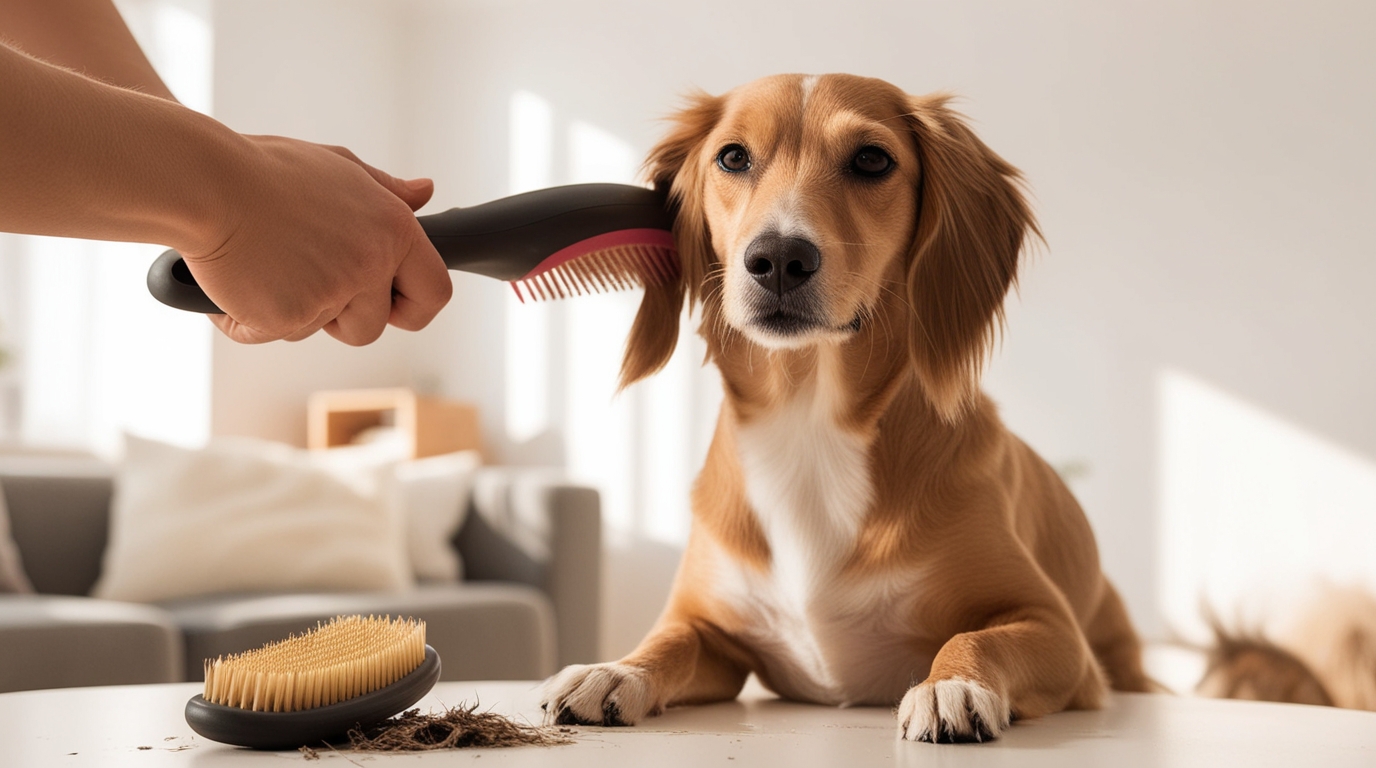

If you’re a dog owner, you probably know the struggle of dealing with your furry friend’s shedding. From finding hair all over your clothes to constantly vacuuming your home, managing your dog’s shedding can be a challenging task. However, with the right techniques and tools, you can de-shed like a pro and keep your dog’s shedding under control year-round.
Dealing with Dog Shedding:
Dogs shed for a variety of reasons, including their breed, health, and the season. While it’s impossible to stop your dog from shedding entirely, there are several ways you can minimize the amount of hair they leave behind. Regular grooming is key to managing shedding, as it helps remove loose hair and prevents mats from forming. Brush your dog’s coat at least a few times a week using a deshedding tool or brush specifically designed for your dog’s breed.
Choosing the Right Grooming Tools:
When it comes to grooming your dog, not all tools are created equal. It’s essential to choose the right grooming tools for your dog’s coat type to effectively manage shedding. For dogs with short coats, a rubber curry brush or grooming glove can help remove loose hair and stimulate the skin. On the other hand, dogs with long coats may benefit from a slicker brush or undercoat rake to remove tangles and mats.
Nutrition and Supplements:
A healthy diet is crucial for your dog’s overall well-being, including their coat health. Ensure your dog is getting a balanced diet rich in essential nutrients, such as omega-3 fatty acids, to promote a healthy coat and reduce shedding. Additionally, consider incorporating supplements like fish oil or flaxseed into your dog’s diet to improve their skin and coat condition.
Environment and Stress:
Environmental factors and stress can also contribute to your dog’s shedding. Keep your dog’s living space clean and free of allergens that could irritate their skin and lead to excessive shedding. Additionally, provide your dog with plenty of exercise, mental stimulation, and attention to reduce stress levels, which can impact their overall health and shedding patterns.
Regular Vet Check-ups:
Regular visits to the vet are essential for monitoring your dog’s health and addressing any underlying issues that may be causing excessive shedding. Certain medical conditions, such as allergies, hormonal imbalances, or parasites, can lead to increased shedding in dogs. By discussing your dog’s shedding concerns with your vet, you can identify and treat any underlying health issues promptly.
Conclusion:
Managing your dog’s shedding year-round doesn’t have to be a daunting task. With the right grooming tools, nutrition, environment, and veterinary care, you can de-shed like a pro and keep your dog’s shedding under control. By incorporating these tips into your dog’s care routine, you can enjoy a clean home and a healthy, happy pup.
Learn how to de-shed like a pro and manage your dog’s shedding year-round with expert tips and techniques. Keep your furry friend looking and feeling their best!
Remember, a well-groomed dog is a happy dog. So, why not take the time to learn how to de-shed like a pro and keep your furry friend looking their best?