
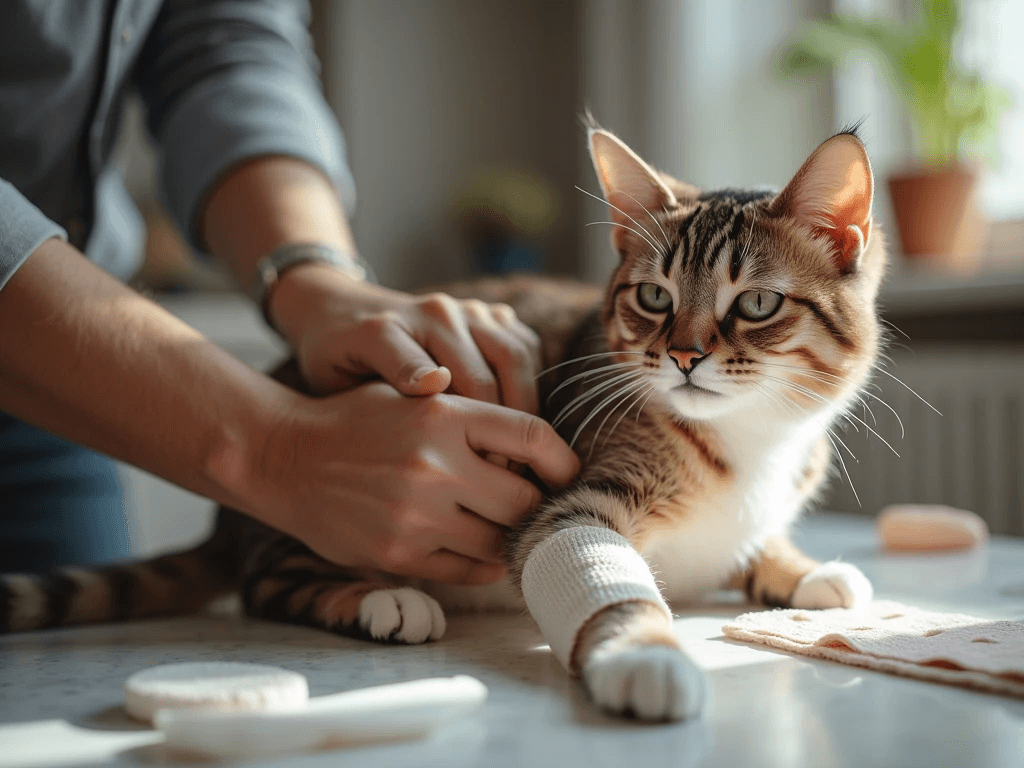

In this article, we will discuss essential first aid tips that every cat owner should be aware of in case of emergencies. From minor injuries to more serious situations, knowing how to provide basic first aid to your feline friend can make a significant difference in their outcome. Let’s dive into some key strategies to keep your cat safe and healthy.
Recognizing Signs of Distress
One of the crucial aspects of cat first aid is being able to recognize signs of distress in your pet. Cats are masters at hiding their pain, so it’s essential to be vigilant and observant. Look for symptoms such as labored breathing, lethargy, loss of appetite, vomiting, or excessive grooming. If you notice any of these signs, it’s crucial to act promptly.
Creating a First Aid Kit
Having a well-equipped first aid kit specifically for your cat can be a lifesaver in emergencies. Some essential items to include in your kit are gauze pads, adhesive tape, antiseptic wipes, bandages, a pair of scissors, and a digital thermometer. It’s also advisable to keep a copy of your cat’s medical records and contact information for your veterinarian handy.
Handling Minor Injuries
Minor injuries such as cuts, scrapes, or small burns can happen to any cat. If your cat sustains a superficial wound, it’s essential to clean the area with mild soap and water. You can then apply an antiseptic ointment and cover the wound with a bandage. Keep a close eye on the injury for any signs of infection.
Dealing with Poisoning
Cats are curious creatures and may ingest toxic substances accidentally. If you suspect that your cat has ingested something harmful, such as a toxic plant or household chemical, contact your veterinarian immediately. Do not try to induce vomiting unless instructed by a professional.
Handling Heatstroke
During hot summer months, cats are susceptible to heatstroke. If you notice signs of heatstroke in your cat, such as panting, drooling, or weakness, move them to a cool, shaded area immediately. You can also wrap them in a damp towel or use a fan to help lower their body temperature. Offer them small sips of water but avoid forcing them to drink.
Understanding CPR for Cats
In extreme situations, knowing how to perform CPR on your cat can be life-saving. If your cat is unconscious and not breathing, gently lay them on their side and check for a heartbeat. Place your hands on either side of their chest and compress gently. Remember to alternate between chest compressions and rescue breaths until help arrives.
In conclusion, being prepared and knowledgeable about cat first aid can make a significant difference in your pet’s well-being. By recognizing signs of distress, having a well-equipped first aid kit, and knowing how to handle common emergencies, you can ensure that your cat receives the care they need promptly. Remember, always consult with your veterinarian for specific guidance and advice tailored to your pet’s individual needs.
Learn essential cat first aid tips that every owner should know. Recognize signs of distress, create a first aid kit, and handle common emergencies effectively.