
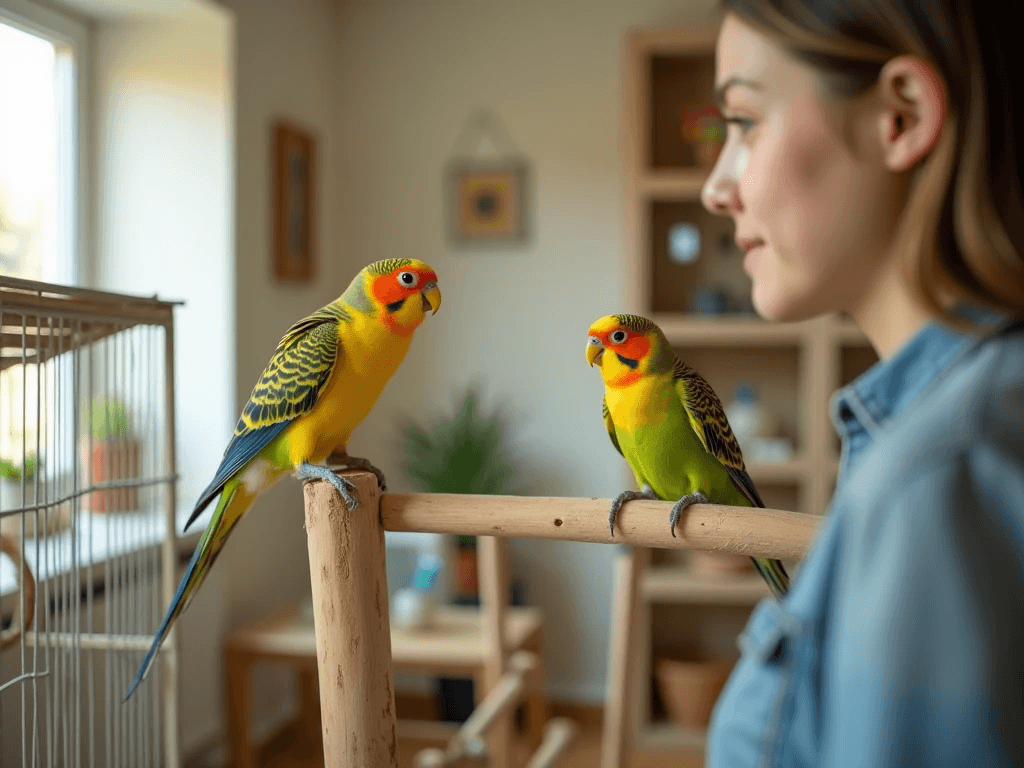

Are you unsure whether to keep your feathered friend in a cage or let them enjoy the freedom of free flight? When it comes to designing the perfect living space for your bird, there are a few factors to consider. In this article, we will explore the pros and cons of both options and provide tips on how to create a safe and comfortable environment for your avian companion.
The Benefits of a Cage
Cages provide a safe and secure space for your bird to call home. They offer protection from predators, household hazards, and other pets that may pose a threat. Cages also give you the ability to control your bird’s environment, including temperature, lighting, and noise levels. Additionally, cages can serve as a training tool, helping your bird learn boundaries and develop good behavior.
The Drawbacks of a Cage
On the flip side, cages can limit your bird’s movement and social interaction. Birds are highly intelligent and social creatures that thrive on companionship and mental stimulation. Being confined to a cage for extended periods can lead to boredom, stress, and even health issues such as obesity and feather-plucking. It’s essential to provide regular out-of-cage time for your bird to stretch their wings and interact with their human flock.
The Benefits of Free Flight
Allowing your bird to free fly in a designated area of your home can have numerous benefits. Free flight enables your bird to exercise and strengthen their muscles, supporting their overall health and well-being. It also lets them express natural behaviors such as flying, perching, and foraging. Free flight can also strengthen the bond between you and your bird, as you interact with them on a more intimate level.
The Drawbacks of Free Flight
While free flight has its advantages, it also comes with risks. Birds flying freely in the home can encounter hazards such as open windows, ceiling fans, and toxic plants. They may also face challenges navigating unfamiliar spaces and avoiding potential dangers. Additionally, some bird species may be more prone to flying away and getting lost if given too much freedom. It’s crucial to bird-proof your home and supervise your feathered friend closely during free flight time.
Designing the Perfect Living Space
So, how can you strike the right balance between cage confinement and free flight freedom? One option is to create a hybrid living space that offers the best of both worlds. Provide your bird with a spacious cage filled with toys, perches, and enrichment activities to keep them engaged and entertained. You can also set up a bird-safe room or area in your home where your bird can enjoy supervised free flight time.
Consider incorporating natural elements such as plants, branches, and climbing structures to simulate your bird’s natural habitat. Create a variety of perching heights and textures to encourage exercise and foot health. Offer a balanced diet rich in fruits, vegetables, seeds, and pellets to support your bird’s nutritional needs. And most importantly, spend quality time interacting with your bird through training, play, and socialization.
In conclusion, the key to designing the perfect living space for your bird is to strike a balance between cage confinement and free flight freedom. By considering your bird’s needs for safety, stimulation, and socialization, you can create a harmonious environment where your feathered friend can thrive. Whether you choose a cage, free flight, or a combination of both, the most important thing is to provide love, care, and attention to your avian companion.
So, what are you waiting for? Start designing the perfect living space for your bird today!
Struggling to decide between a cage or free flight for your bird? Learn how to design the perfect living space for your feathered friend with our expert tips and advice.