
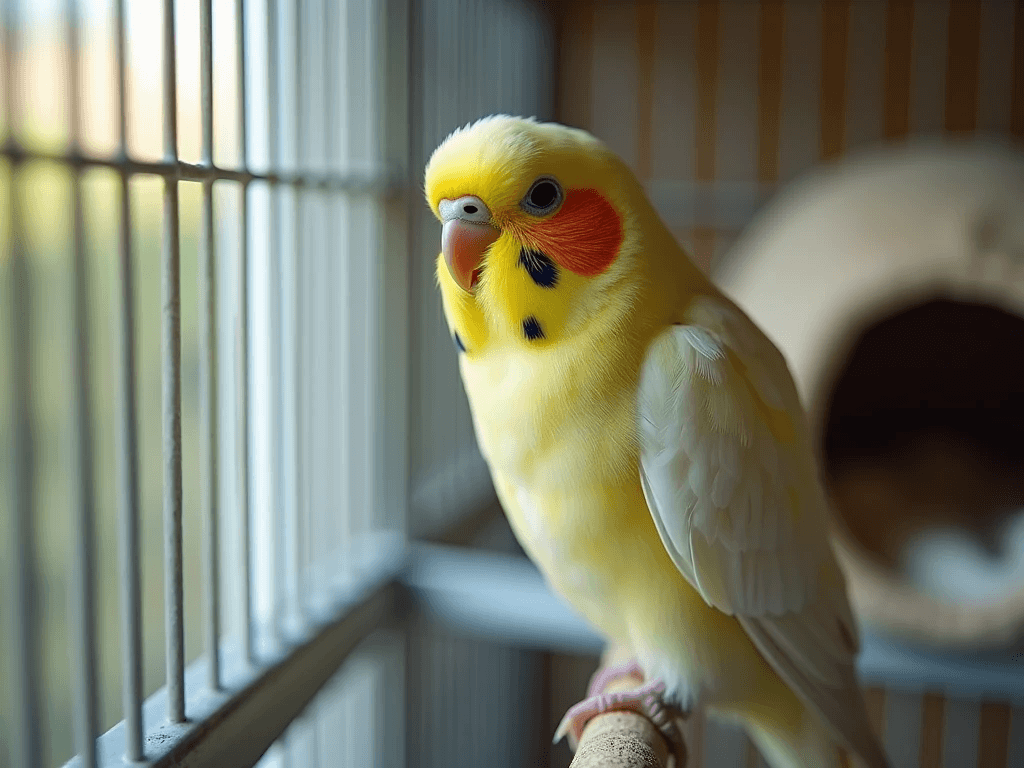

In the hustle and bustle of modern life, it’s easy to overlook the impact of environmental factors on our health. This is especially true for our feathered friends – birds. Lighting, noise, and sleep are crucial aspects of their well-being that often go unnoticed. In this article, we will delve into how these environmental factors can impact bird health and what we can do to help our avian companions thrive.
Lighting
Lighting plays a crucial role in the health and well-being of birds. Just like humans, birds have natural circadian rhythms that regulate their sleep, behavior, and overall health. Exposure to artificial light at night can disrupt these rhythms, leading to sleep disturbances and increased stress levels. This can have a negative impact on a bird’s immune system, making them more susceptible to illness.
How does lighting impact bird health?
- Disrupts circadian rhythms
- Increases stress levels
- Weakens immune system
- Leads to sleep disturbances
To mitigate the negative effects of artificial light on birds, it’s essential to provide them with a dark, quiet environment during the night. Covering their cage or enclosure with a breathable fabric can help create a peaceful sleeping space. Additionally, using low-wattage bulbs with a red spectrum can minimize the disruption to their circadian rhythms.
Noise
Noise pollution is another environmental factor that can significantly impact bird health. Loud noises, whether from traffic, construction, or even household appliances, can cause stress and anxiety in birds. Prolonged exposure to noise can lead to behavior problems, reduced immune function, and even hearing loss in birds.
How does noise impact bird health?
- Causes stress and anxiety
- Leads to behavior problems
- Reduces immune function
- Can cause hearing loss
To minimize the impact of noise pollution on birds, it’s important to create a quiet and peaceful environment for them. Placing their cage or enclosure away from noisy areas, using sound-absorbing materials, and playing soothing music can help reduce stress levels and create a calm atmosphere for your feathered friends.
Sleep
Sleep is essential for the overall health and well-being of birds. Just like humans, birds require adequate rest to recharge their energy, support their immune system, and maintain their cognitive function. Disruptions to their sleep patterns, whether from lighting or noise, can have serious consequences on their health and behavior.
Why is sleep important for bird health?
- Recharges energy
- Supports immune system
- Maintains cognitive function
To ensure that your bird gets enough restful sleep, it’s crucial to establish a consistent bedtime routine. Providing a quiet, dark environment, avoiding loud noises, and creating a comfortable sleeping area can help promote healthy sleep habits for your avian companion.
In conclusion, lighting, noise, and sleep are crucial environmental factors that can impact bird health. By understanding how these factors affect our feathered friends and taking steps to create a peaceful and healthy environment for them, we can help support their overall well-being and quality of life. Remember, a happy and healthy bird is a joy to behold!
Learn how lighting, noise, and sleep can impact bird health and discover practical tips to create a healthy environment for your feathered friends.
So, how do you ensure that your birds are getting the proper lighting, quiet environment, and restful sleep they need to thrive? Providing them with a peaceful and natural habitat can help ensure that these environmental factors are optimized for their health and well-being. By prioritizing their needs and creating a nurturing environment, you can help your avian companions live a long, happy, and healthy life.