
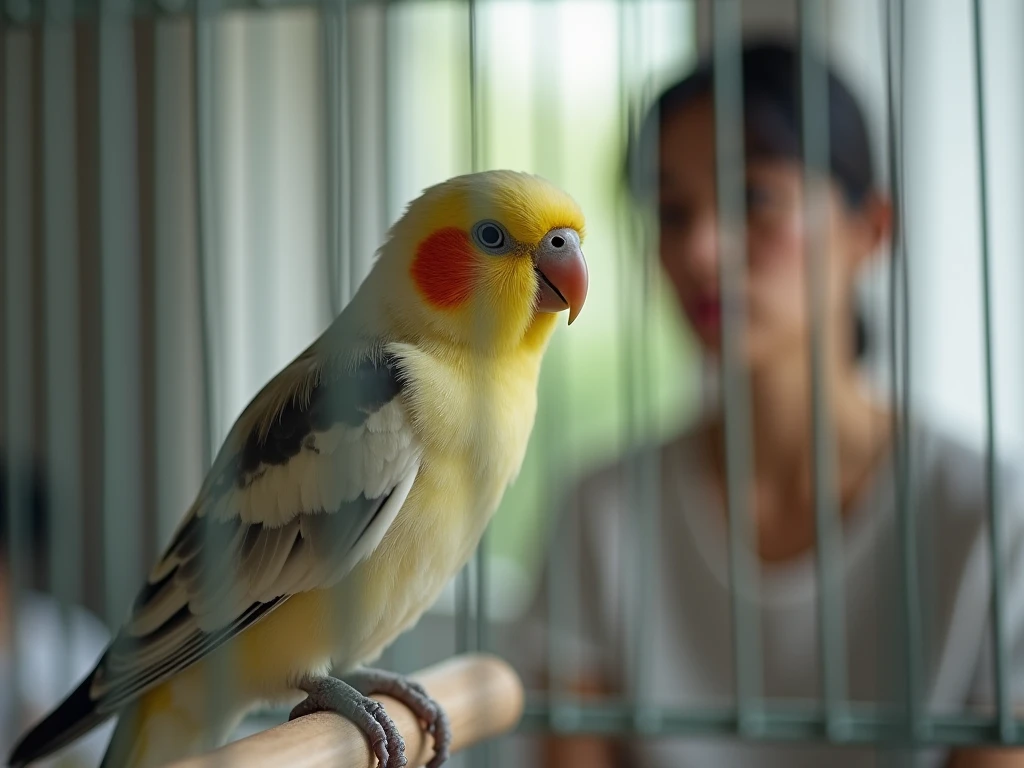

Bird owners are incredibly dedicated to the health and well-being of their feathered friends. However, it’s essential to be aware of the silent sicknesses that can plague our avian companions. In this article, we will explore some common bird illnesses that owners often miss and how to detect and treat them.
Common Bird Illnesses
1. Avian Respiratory Disease
One common silent sickness that affects birds is avian respiratory disease. This illness can be challenging to detect, as birds often mask their symptoms until the disease has progressed significantly. Symptoms to watch out for include sneezing, wheezing, and nasal discharge. If you notice any of these signs, it’s crucial to seek veterinary assistance immediately.
2. Psittacosis
Psittacosis is another common illness that can go unnoticed in birds. This bacterial infection can cause symptoms such as lethargy, loss of appetite, and diarrhea. It’s vital to have your bird tested for psittacosis regularly, especially if they have been exposed to other sick birds.
3. Aspergillosis
Aspergillosis is a fungal infection that commonly affects birds, particularly those with weakened immune systems. This illness can be challenging to diagnose, as symptoms may be subtle at first. Keep an eye out for labored breathing, weight loss, and fluffed feathers, as these may be early signs of aspergillosis.
4. Polyomavirus
Polyomavirus is a common viral infection that affects many species of birds. This illness can be challenging to detect, as symptoms can vary widely between individual birds. Regular testing and preventative measures, such as vaccination, are essential to protect your feathered friend from polyomavirus.
Detecting Illness in Birds
Regular Veterinary Check-Ups
One of the best ways to detect silent illnesses in birds is through regular veterinary check-ups. A qualified avian veterinarian will be able to perform thorough examinations and tests to ensure your bird is healthy. It’s essential to build a strong relationship with your vet to address any concerns promptly.
Observing Behavior
Bird owners should pay close attention to their pet’s behavior. Changes in eating habits, vocalization, or activity level can be early warning signs of illness. If you notice anything out of the ordinary, it’s essential to seek professional advice.
Providing a Balanced Diet
A balanced diet is crucial in maintaining a bird’s overall health and immune system. Ensure your feathered friend is receiving a variety of fresh fruits, vegetables, seeds, and pellets to support their well-being and prevent illness.
Conclusion
While birds are resilient creatures, they are vulnerable to a range of illnesses. By staying vigilant and proactive in your bird’s health care, you can help prevent silent sicknesses from taking hold. Regular veterinary check-ups, observing behavior, and providing a balanced diet are key in maintaining your bird’s well-being. Remember, a healthy bird is a happy bird!
Learn about common bird illnesses that owners often miss, how to detect them early, and provide proper treatment to keep your feathered friends healthy and happy.