
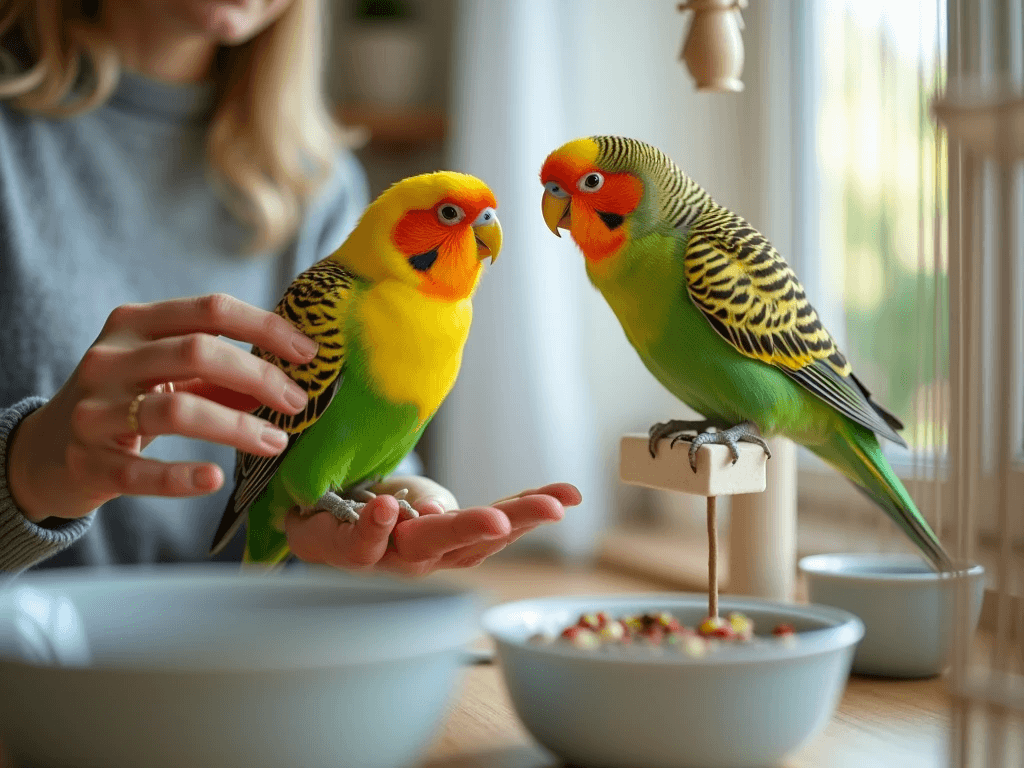

Keeping your bird healthy is crucial to ensuring a happy and fulfilling life for your feathered friend. Proper diet, a clean environment, and a well-equipped cage are essential components of bird care. In this article, we will discuss how to maintain your bird’s health through these three key factors.
How to Keep Your Bird Healthy
When it comes to keeping your bird healthy, diet plays a critical role. A balanced diet rich in nutrients is essential for your bird’s overall well-being. Make sure to provide a variety of fresh fruits, vegetables, seeds, and pellets to meet your bird’s dietary needs. Avoid feeding your bird foods that are high in fat, sugar, or salt, as these can lead to health problems in the long run.
Choosing the Right Cage
In addition to diet, providing your bird with a safe and comfortable living space is essential. When choosing a cage for your bird, make sure it is large enough to allow them to stretch their wings and move around freely. Opt for a cage with horizontal bars that are spaced appropriately to prevent your bird from escaping. Include perches, toys, and a cozy nesting area to keep your bird entertained and mentally stimulated.
Maintaining Cleanliness
A clean environment is vital for your bird’s health and well-being. Regularly clean your bird’s cage, perches, and toys to prevent the buildup of dirt and bacteria. Use bird-safe cleaning products and avoid harsh chemicals that can be harmful to your feathered friend. Make sure to provide fresh water daily and remove any uneaten food to prevent contamination.
FAQs:
Q: How often should I clean my bird’s cage?
A: It is recommended to clean your bird’s cage at least once a week, but you may need to clean it more frequently depending on your bird’s size and habits.
Q: What should I include in my bird’s diet?
A: A balanced diet for your bird should include a mix of fresh fruits, vegetables, seeds, and pellets. Consult with your veterinarian for specific dietary recommendations for your bird’s species.
Q: How can I ensure my bird gets enough exercise?
A: Provide your bird with plenty of toys and perches to encourage physical activity. Allow your bird time outside of the cage to stretch their wings and explore their surroundings.
Conclusion:
By paying attention to your bird’s diet, cage setup, and cleanliness, you can ensure that your feathered friend stays healthy and happy. Remember to consult with a veterinarian for specific recommendations tailored to your bird’s individual needs. With proper care and attention, you can enjoy many years of companionship with your beloved bird.
Learn how to keep your bird healthy with the right diet, cage setup, and cleanliness. Follow these tips for a happy and thriving feathered friend.
By implementing these strategies, you can ensure your feathered friend lives a long and healthy life.