
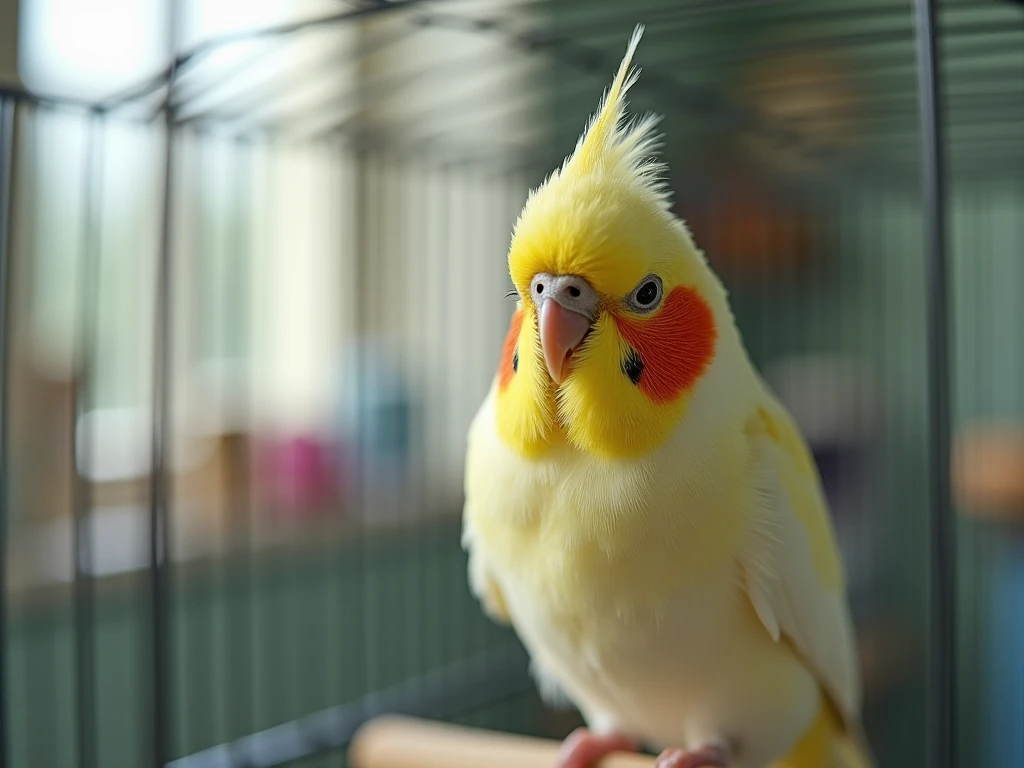

Discover the warning signs of poor bird health, from sneezing to lethargy. Learn how to spot these red flags early and take action.
From Sneezing to Lethargy: Red Flags in Bird Health
As bird owners, it is essential to monitor the health and well-being of our feathered friends closely. Birds are masters at hiding illness, so it is crucial to be aware of the red flags that may indicate a health issue. From sneezing to lethargy, here are some signs to watch out for and what they could mean for your bird’s health.
Sneezing
Question: Why is my bird sneezing?
Sneezing in birds can be caused by a variety of factors, including environmental irritants, allergies, or respiratory infections. If your bird is sneezing frequently or has nasal discharge, it may be a sign of a more serious health issue.
Answer:
One possible cause of sneezing could be poor air quality in your bird’s environment. Ensure that the area where your bird is kept is well-ventilated and free of any potential irritants such as smoke, dust, or strong odors. If the sneezing persists, it is important to consult with a veterinarian to rule out any underlying respiratory infections or other health issues.
Lethargy
Question: Why is my bird acting lethargic?
Lethargy or a lack of energy can indicate that your bird is not feeling well. Birds are typically active creatures, so a sudden decrease in activity level could be a cause for concern.
Answer:
There are several reasons why a bird may be acting lethargic, including stress, poor diet, or underlying health issues. It is essential to assess your bird’s environment and daily routine to identify any potential stressors or changes that may be affecting their well-being. If your bird continues to display signs of lethargy, it is best to seek veterinary advice to determine the root cause of the issue.
Changes in Eating or Drinking Habits
Question: What does it mean if my bird is eating or drinking less than usual?
Changes in your bird’s eating or drinking habits can be a red flag for poor health. It is essential to monitor your bird’s appetite and water intake regularly to ensure they are maintaining a healthy diet and hydration level.
Answer:
A decrease in appetite or water consumption can be a sign of a wide range of health issues, including infections, digestive problems, or dental issues. If you notice that your bird is eating or drinking less than usual, it is crucial to consult with a veterinarian to determine the cause of the change in behavior and implement the necessary treatment.
In conclusion, as bird owners, it is vital to be vigilant about the health of our feathered companions. From sneezing to lethargy, changes in eating or drinking habits, and other warning signs, it is essential to monitor your bird’s behavior closely and seek veterinary advice if you notice any red flags. By being proactive in caring for your bird’s health, you can help ensure a long and happy life for your avian friend.