
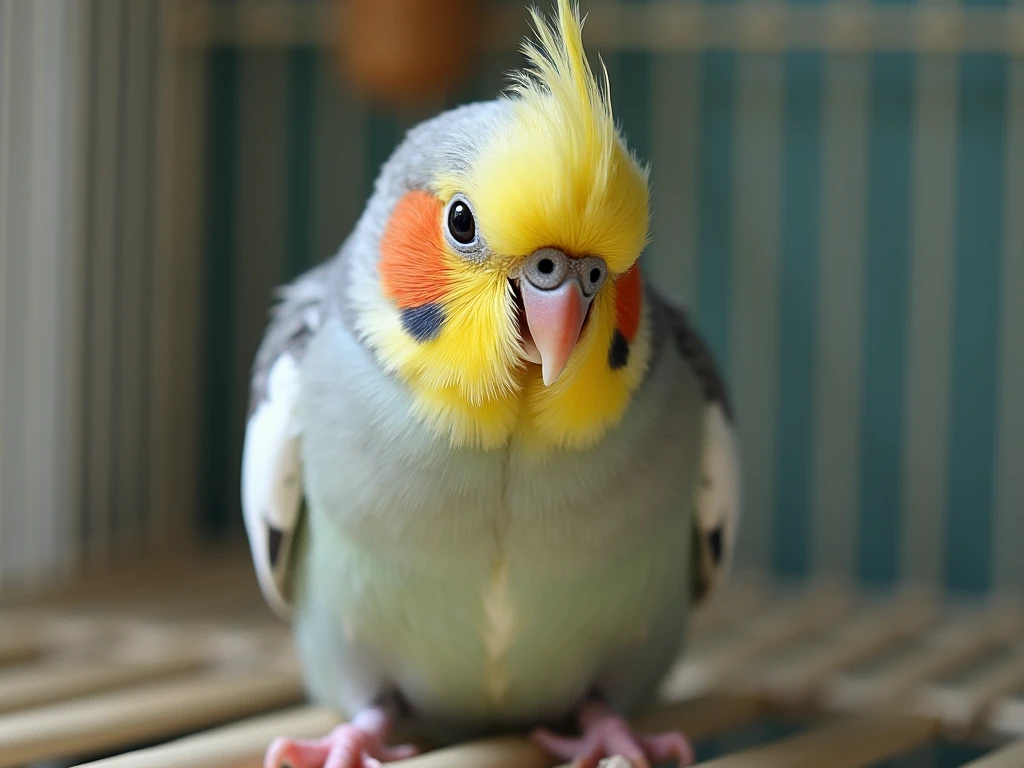

description: Learn how to recognize and address feather plucking and screaming in pet birds to ensure their well-being and happiness.
Feather Plucking and Screaming: When Your Bird’s Behavior Signals Distress
Introduction:
Having a pet bird can bring joy and companionship to your life, but it also comes with the responsibility of understanding and addressing their behavior signals. Feather plucking and screaming are common issues that many bird owners face, and it’s crucial to recognize these behaviors as early as possible to prevent further distress to your feathered friend.
What is Feather Plucking?
Feather plucking is when a bird compulsively pulls out its feathers, often resulting in bald patches or damaged skin. This behavior can be caused by a variety of factors, including stress, boredom, illness, or improper diet. It’s essential to identify the underlying cause of feather plucking to address the issue effectively.
What Causes Feather Plucking?
Feather plucking can be caused by a range of factors, such as:
1. **Stress**: Changes in the environment, loud noises, or lack of mental stimulation can lead to stress in birds, resulting in feather plucking.
2. **Illness**: Underlying health issues, such as parasitic infections or hormonal imbalances, can also trigger feather plucking behavior.
3. **Boredom**: Birds are intelligent creatures that require mental and physical stimulation. Lack of enrichment can lead to boredom and subsequent feather plucking.
How to Address Feather Plucking
If you notice your bird engaging in feather plucking behavior, it’s essential to consult with a veterinarian specializing in avian health to rule out any underlying medical conditions. Additionally, consider the following steps to address feather plucking:
1. **Provide Enrichment**: Offer a variety of toys, perches, and activities to keep your bird mentally stimulated and engaged.
2. **Maintain a Healthy Diet**: Ensure your bird is receiving a balanced diet rich in essential nutrients to support overall health and feather condition.
3. **Create a Calm Environment**: Minimize stressors in your bird’s environment, such as loud noises or sudden changes, to promote a sense of security.
Understanding Screaming Behavior
Screaming is another common behavior displayed by pet birds, often as a form of communication or attention-seeking. While some level of vocalization is natural for birds, excessive screaming can indicate that your bird is distressed or in need of additional care and attention.
Addressing Screaming Behavior
To address screaming behavior in your bird, consider the following tips:
1. **Provide Positive Reinforcement**: Encourage desired behaviors, such as quietness, by rewarding your bird with treats or praise.
2. **Establish a Routine**: Birds thrive on routine and predictability. Establish a consistent schedule for feeding, playtime, and sleep to help reduce stress and minimize screaming.
3. **Seek Professional Help**: If your bird’s screaming persists despite your efforts, consult with an avian behavior specialist for personalized guidance and support.
In conclusion, feather plucking and screaming are behaviors that can indicate distress in pet birds. By understanding the underlying causes and implementing appropriate strategies to address these behaviors, you can help ensure the well-being and happiness of your feathered companion.