
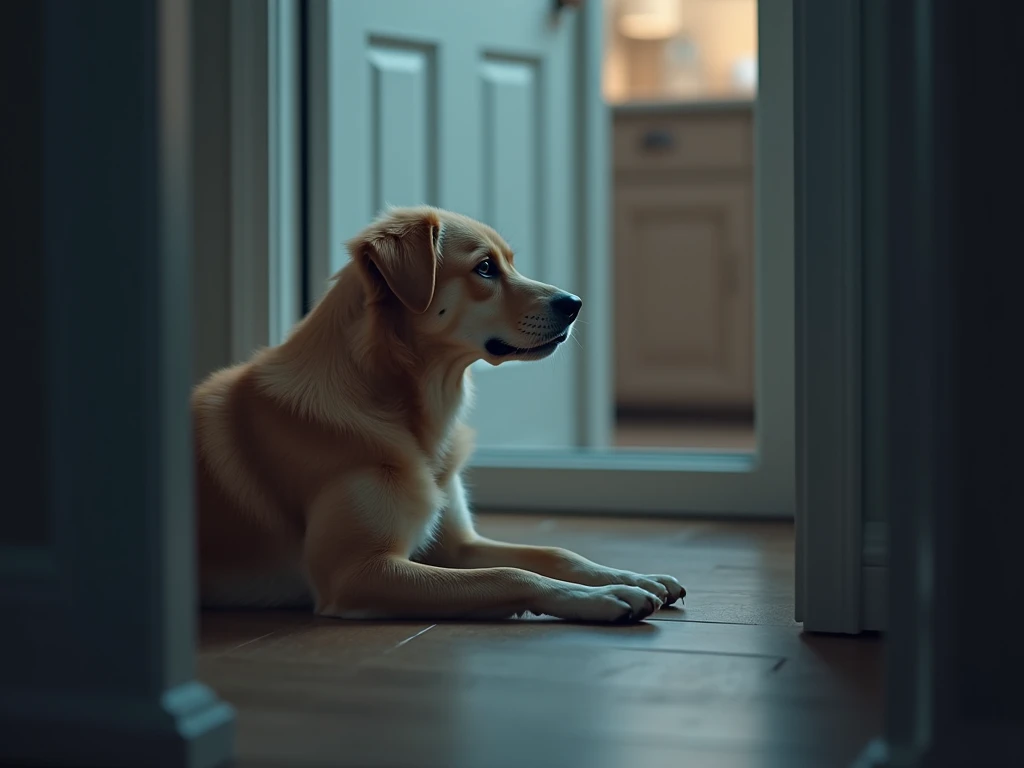

Many dog owners have experienced the distressing behavior of their furry friends when left alone. Whether it’s excessive barking, destructive chewing, or incessant pacing, these symptoms are often signs of separation anxiety in dogs. Understanding the emotional roots of this common issue is crucial for providing the necessary support and comfort for our beloved pets.
What is Separation Anxiety in Dogs?
Separation anxiety in dogs is a condition characterized by excessive distress when their owners are not present. This emotional distress can manifest in various behaviors, such as whining, howling, urinating or defecating indoors, and attempting to escape. It is essential to differentiate between separation anxiety and boredom or lack of training, as these issues require different approaches for resolution.
What Causes Separation Anxiety in Dogs?
The emotional roots of separation anxiety in dogs can be traced back to a variety of factors, including:
- Past Trauma: Dogs who have experienced abandonment or neglect in the past are more likely to develop separation anxiety.
- Lack of Socialization: Puppies who have not been properly socialized with humans and other animals may struggle with being alone.
- Changes in Routine: Sudden changes in the owner’s schedule or living arrangements can trigger anxiety in dogs who thrive on consistency.
- Attachment Issues: Dogs who form a strong attachment to their owners may struggle to cope when they are separated.
How to Help Dogs with Separation Anxiety
Establish a Routine
Creating a consistent daily routine for your dog can help reduce their anxiety levels. This routine should include set times for feeding, exercise, and playtime, as well as scheduled alone time to gradually acclimate them to being apart from you.
Provide Comforting Signals
Leaving behind familiar items that carry your scent, such as a piece of clothing or a favorite toy, can help comfort your dog in your absence. Additionally, using calming pheromone diffusers or music designed for dogs can help create a soothing environment.
Behavior Modification Training
Working with a professional dog trainer or behaviorist can help address the underlying causes of your dog’s separation anxiety. Techniques such as desensitization and counterconditioning can help your dog learn to feel more relaxed when apart from you.
Consider Medication
In severe cases of separation anxiety, medication prescribed by a veterinarian may be necessary to help your dog manage their symptoms. It is essential to consult with a professional before starting any medication regimen for your pet.
Conclusion
Understanding the emotional roots of separation anxiety in dogs is the first step towards helping our furry friends overcome this challenging condition. By providing a supportive environment, establishing a routine, and seeking professional guidance when needed, we can make a significant difference in our dog’s well-being. Remember, patience and consistency are key when helping a dog navigate their feelings of anxiety and insecurity. With love and understanding, we can help our beloved pets lead happier and healthier lives.
Learn about separation anxiety in dogs and how to support your furry friend through this challenging condition. Understand the emotional roots and find helpful tips for managing anxiety.