
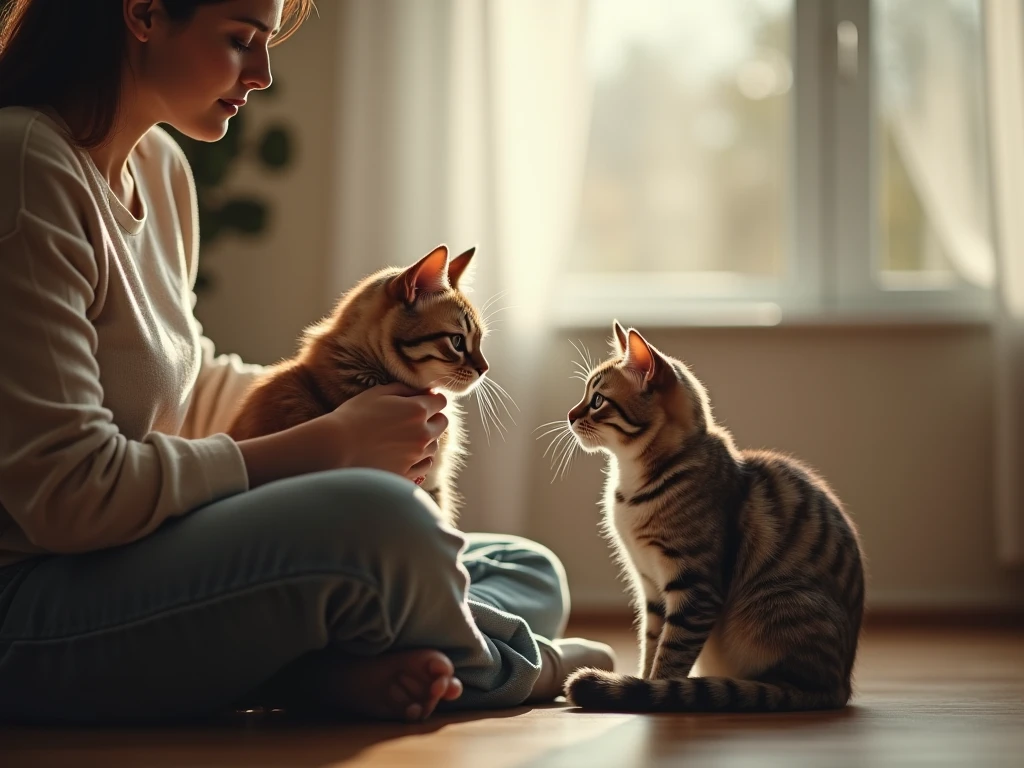

Are you struggling to understand why your cat’s behavior seems to change depending on your mood? It may seem like a mystery, but there is actually a strong connection between your emotions and your feline friend’s behavior. In this article, we will delve into the fascinating world of how your mood can influence your cat’s behavior and what you can do to create a harmonious environment for both you and your furry companion.
The Link Between Your Mood and Your Cat’s Behavior
Cats are incredibly intuitive animals, and they are sensitive to the energy and emotions of their human companions. Your cat can pick up on subtle cues in your body language, tone of voice, and overall energy. If you are feeling stressed, anxious, or upset, your cat may mirror these emotions and exhibit signs of distress or agitation.
On the other hand, if you are calm, relaxed, and happy, your cat is more likely to feel at ease and exhibit behaviors that reflect a sense of contentment. Your mood sets the tone for the environment in which your cat lives, and they respond accordingly.
Practical Tips for Creating a Positive Environment
If you want to foster a positive and peaceful relationship with your cat, it’s essential to be mindful of your mood and how it can impact your furry friend. Here are some practical tips to help you create a harmonious environment:
1. Practice Relaxation Techniques
When you are feeling stressed or overwhelmed, take some time to practice relaxation techniques such as deep breathing, meditation, or gentle yoga. Your cat will pick up on your calming energy and may start to relax as well.
2. Play with Your Cat
Engaging in playtime with your cat is not only a great way to bond, but it can also help both you and your cat release pent-up energy and stress. Set aside some dedicated playtime each day to keep your cat stimulated and happy.
3. Create a Safe and Comfortable Space
Make sure your cat has access to a safe and comfortable space where they can retreat if they are feeling anxious or overwhelmed. Provide cozy bedding, toys, and scratching posts to give your cat a sense of security and comfort.
4. Maintain a Consistent Routine
Cats thrive on routine, so try to maintain a consistent schedule for feeding, playtime, and sleep. Predictability can help your cat feel secure and reduce their stress levels.
By being mindful of your mood and taking steps to create a positive and calm environment, you can greatly influence your cat’s behavior for the better. Remember, your cat is attuned to your emotional state, so by taking care of yourself, you are also taking care of your feline companion.
In conclusion, the connection between your mood and your cat’s behavior is a powerful and fascinating aspect of the human-animal bond. By cultivating a positive and harmonious relationship with your furry friend, you can create a peaceful and loving home environment for both of you to enjoy.
Discover how your mood can influence your cat’s behavior and learn practical tips for creating a positive environment for your furry friend.