
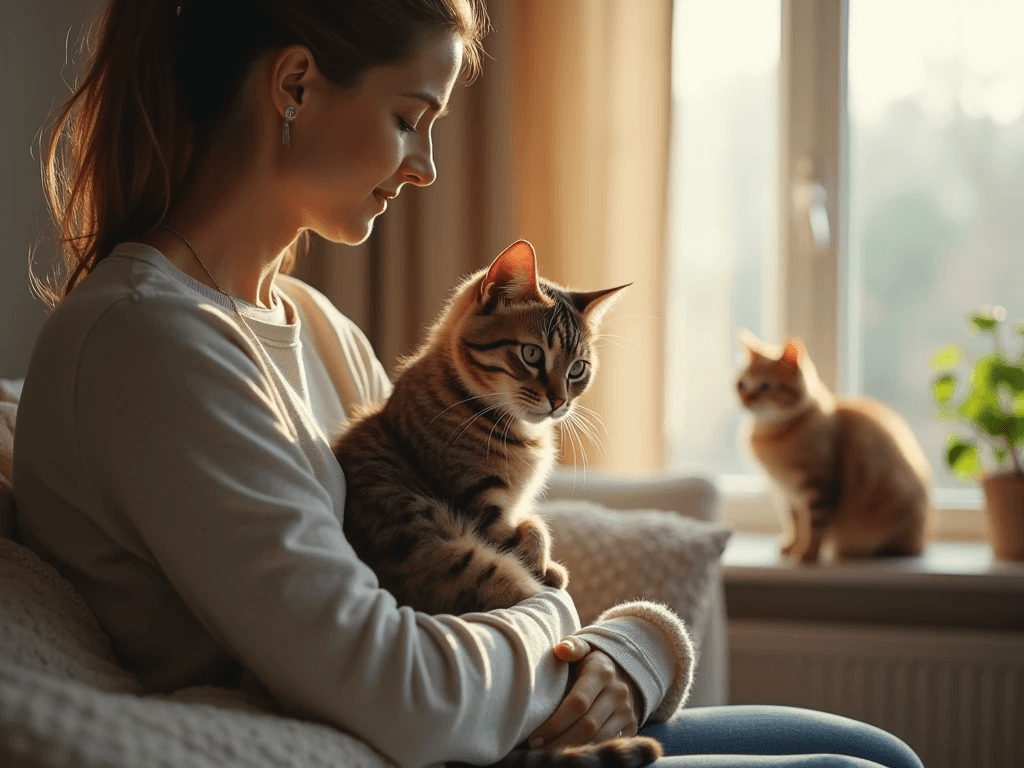

Have you ever wondered why some cats can’t seem to get enough of your attention, while others prefer to keep their distance? Just like humans, cats have unique attachment styles that can influence their behavior towards their owners. In this article, we will explore the different cat attachment styles and why some cats exhibit clingy behavior while others may seem more aloof.
What are Cat Attachment Styles?
Cat attachment styles refer to the way in which a cat connects and relates to their human caregivers. These attachment styles are influenced by a variety of factors, including genetics, early socialization, and individual personality traits. Understanding your cat’s attachment style can help you build a stronger bond with them and meet their emotional needs effectively.
Types of Cat Attachment Styles:
Secure Attachment:
Cats with a secure attachment style are confident, relaxed, and comfortable in their relationship with their owners. They seek out affection and enjoy being close to their humans, but they are also independent and can entertain themselves when needed. These cats are typically well-adjusted and exhibit balanced behavior.
Anxious Attachment:
Cats with an anxious attachment style are clingy, needy, and constantly seek reassurance from their owners. They may exhibit behaviors such as excessive meowing, following their owners around the house, or displaying signs of distress when left alone. These cats may have experienced trauma or insecurity in the past, leading to their anxious behavior.
Avoidant Attachment:
Cats with an avoidant attachment style are independent, aloof, and may appear distant or indifferent towards their owners. They prefer to have their own space and may not seek out affection as frequently as other cats. These cats are not necessarily unfriendly, but they value their autonomy and may not enjoy being picked up or cuddled.
Why Do Some Cats Exhibit Clingy Behavior?
Cats that exhibit clingy behavior, such as following their owners from room to room or meowing incessantly for attention, may have an anxious attachment style. These cats may have experienced abandonment, neglect, or insecurity in the past, leading them to seek constant reassurance from their owners. Additionally, certain breeds of cats, such as Siamese or Burmese cats, are known for their vocal and attention-seeking behavior.
Why Are Some Cats More Distant?
On the other hand, cats that are more distant and independent may have an avoidant attachment style. These cats value their freedom and may prefer to interact with their owners on their own terms. Factors such as early socialization, breed characteristics, and individual personality traits can all contribute to a cat’s tendency to be more aloof or distant.
How to Build a Stronger Bond with Your Cat:
Regardless of your cat’s attachment style, there are several ways you can build a stronger bond with them:
- Provide plenty of mental and physical stimulation: Engage your cat in interactive play, provide scratching posts and toys, and create a stimulating environment for them to explore.
- Respect their boundaries: Allow your cat to initiate contact and respect their need for space when they show signs of wanting to be alone.
- Establish a routine: Cats thrive on routine and predictability, so try to feed them at the same time each day and provide consistent opportunities for play and interaction.
In conclusion, understanding your cat’s attachment style can help you better meet their emotional needs and build a stronger bond with them. Whether your cat is clingy or distant, they rely on you for love, care, and companionship. By respecting their unique personality and providing a supportive environment, you can create a harmonious relationship with your feline friend.
Discover the different attachment styles of cats and why some are clingy while others are distant. Learn how to build a stronger bond with your feline friend.