
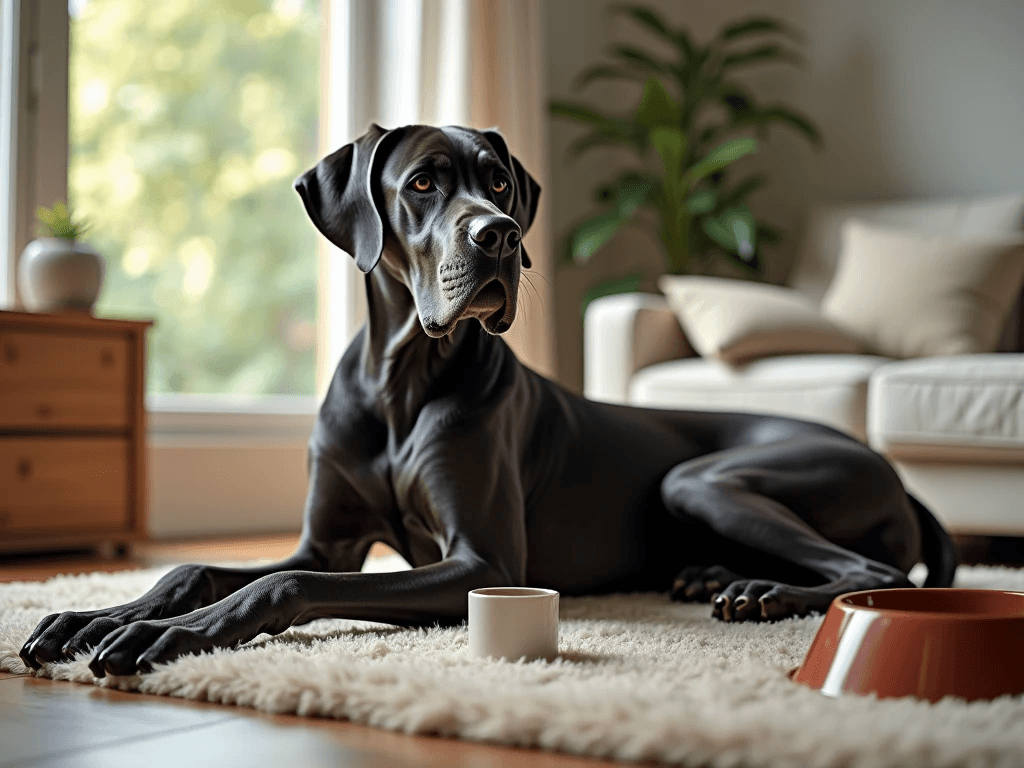

Living with a Great Dane can be an incredibly rewarding experience, but it also comes with its own set of challenges. From finding enough space for these gentle giants to managing their diet and exercise needs, there are several factors to consider when bringing a Great Dane into your home.
The Space
One of the first things to think about when considering adding a Great Dane to your family is the amount of space you have available. These dogs are known for their large size, with adult males typically standing around 30 inches tall at the shoulder and weighing between 140-175 pounds. They need plenty of room to move around comfortably, both indoors and outdoors.
If you live in a small apartment or have limited outdoor space, a Great Dane may not be the best fit for your lifestyle. These dogs thrive in homes with large yards where they can run and play freely. However, with proper exercise and enrichment, it is still possible to keep a Great Dane happy and healthy in a smaller living space.
The Diet
Another important aspect of caring for a Great Dane is their diet. These dogs have specific nutritional needs due to their large size and rapid growth during puppyhood. It is crucial to feed them a high-quality, balanced diet that is appropriate for their age, size, and activity level.
Great Danes are prone to certain health issues, such as bloat and hip dysplasia, so it is essential to feed them a diet that will help support their overall health and well-being. Consulting with a veterinarian or a canine nutritionist can help you create a meal plan that meets your Great Dane’s specific needs.
When it comes to feeding Great Danes, it is also important to consider the frequency of meals. These dogs are at risk for bloat, a potentially life-threatening condition, so it is best to feed them several small meals throughout the day rather than one large meal.
Gentle Giants
Despite their imposing size, Great Danes are known as gentle giants for a reason. They are typically friendly, affectionate, and great with children, making them excellent family pets. However, it is crucial to socialize and train them from a young age to ensure they grow up to be well-behaved and well-adjusted adults.
Proper socialization and training can help prevent behavioral issues, such as aggression or fearfulness, that may arise in Great Danes if not addressed early on. Positive reinforcement training techniques are typically the most effective with these sensitive and intelligent dogs.
In conclusion, living with a Great Dane can be a wonderful experience, but it requires careful consideration and preparation. From providing enough space for these large dogs to managing their diet and training needs, there are several factors to keep in mind when welcoming a Great Dane into your home. With the right care and attention, these gentle giants can become cherished members of your family for years to come.
Living with a Great Dane presents challenges like space requirements and specific dietary needs. Learn how to care for these gentle giants effectively.