
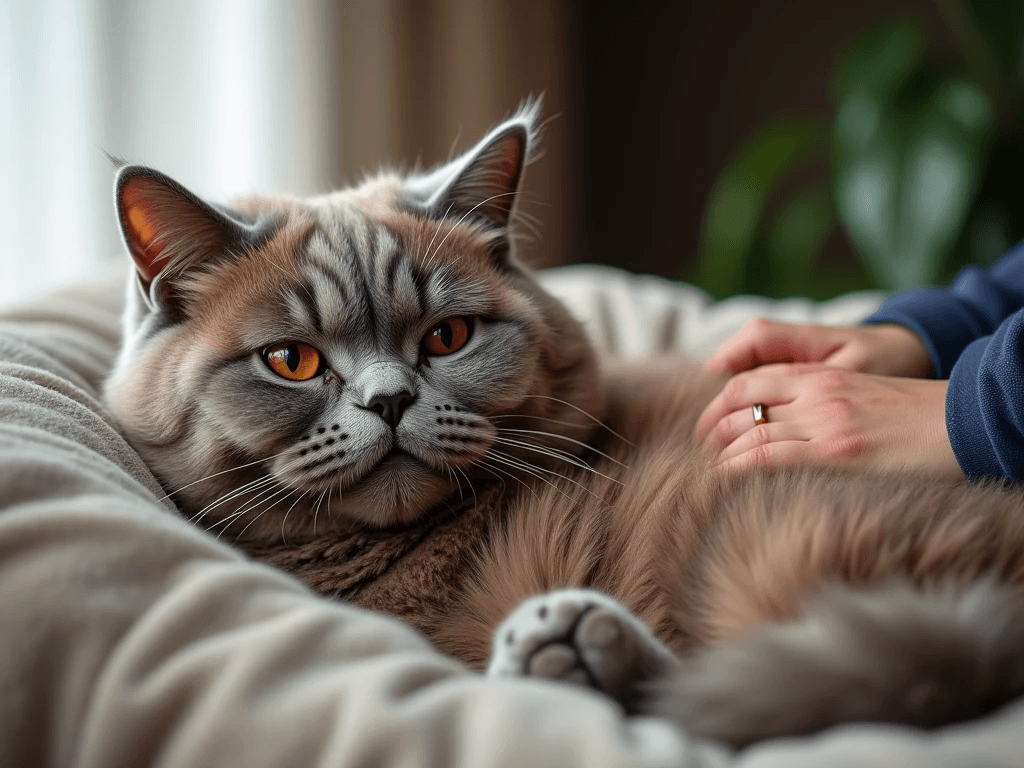

Are you considering adopting a British Shorthair cat and wondering how to provide the best care for this calm, loyal, and low-maintenance breed? Look no further! In this comprehensive guide, we will cover all the essential aspects of caring for a British Shorthair, from grooming to nutrition and beyond.
Introduction to the British Shorthair
The British Shorthair is a beloved breed known for its calm and easygoing nature. These cats are characterized by their round faces, dense coats, and expressive eyes. British Shorthairs are known for their loyalty to their owners and make wonderful companions for families and individuals alike.
Grooming Needs
One of the best things about British Shorthair cats is that they are low-maintenance when it comes to grooming. Their short, dense coats only require a weekly brushing to remove dead hair and keep their fur looking sleek and healthy. Additionally, regular nail trimming and ear cleaning are essential to maintain your British Shorthair’s overall hygiene.
Nutrition and Diet
A well-balanced diet is crucial to the health and well-being of your British Shorthair. Make sure to provide them with high-quality cat food that is appropriate for their age and activity level. Avoid overfeeding, as British Shorthairs are prone to obesity, which can lead to various health issues.
Exercise and Playtime
While British Shorthairs are known for their relaxed demeanor, they still enjoy playtime and exercise. Provide your cat with interactive toys and engage in daily play sessions to keep them mentally and physically stimulated. This will help prevent boredom and ensure that your British Shorthair remains happy and healthy.
Common Health Issues
Like all breeds, British Shorthairs are prone to certain health issues. It’s important to be aware of these potential problems and take proactive measures to keep your cat in good health. Some common health issues that British Shorthairs may face include:
- Obesity: British Shorthairs have a tendency to gain weight, so it’s essential to monitor their food intake and encourage regular exercise.
- Hypertrophic Cardiomyopathy: This is a heart condition that is common in British Shorthairs. Regular veterinary check-ups can help detect and manage this condition early on.
- Dental Issues: Due to their flat faces, British Shorthairs are prone to dental problems. Regular teeth brushing and dental check-ups are important for maintaining good oral health.
Conclusion
Caring for a British Shorthair cat is a rewarding experience that requires time, attention, and love. By following the tips outlined in this guide, you can ensure that your British Shorthair remains healthy, happy, and well-cared for. Remember to provide them with a balanced diet, regular grooming, and plenty of opportunities for play and exercise. With the right care and attention, your British Shorthair will thrive and bring joy to your life for years to come.
Learn how to care for a British Shorthair cat, a calm, loyal, and low-maintenance breed. Discover grooming tips, nutrition advice, and common health issues to keep your feline friend happy and healthy.