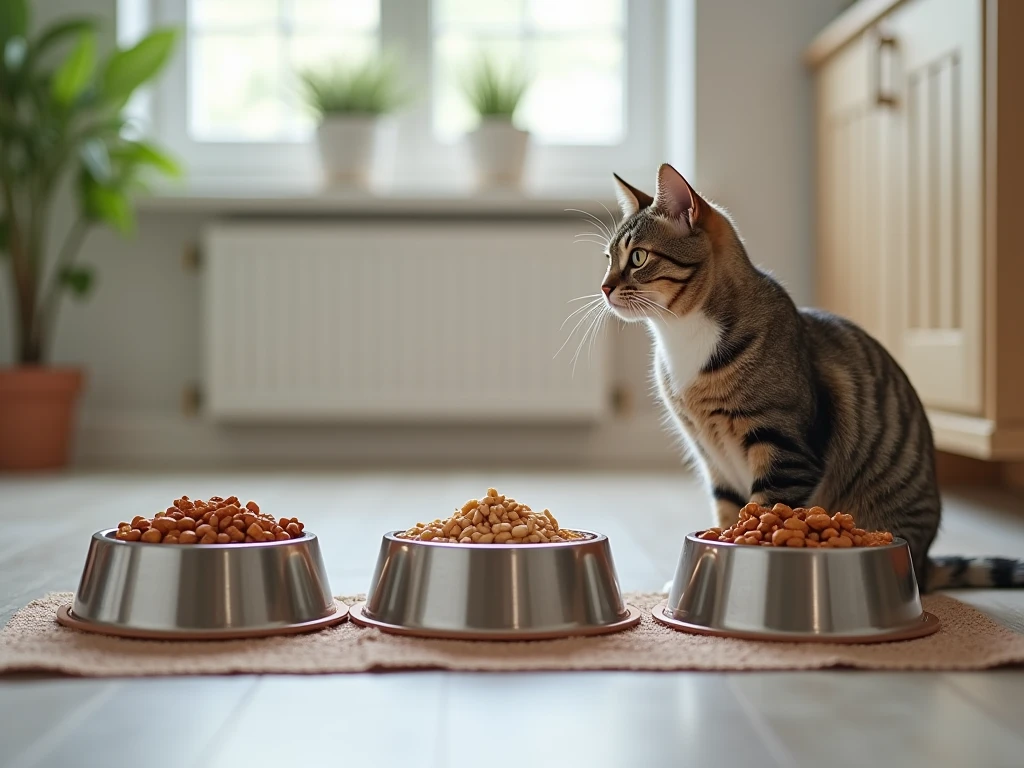

When it comes to feeding our feline friends, there are a variety of options available on the market. Wet, dry, and raw cat food each have their own pros and cons, making it challenging for pet owners to decide which is the best choice for their furry companions. In this article, we will explore the differences between wet, dry, and raw cat food to help you make an informed decision about what to feed your precious kitty.
Wet Cat Food
Wet cat food is a popular choice among pet owners due to its high moisture content, which can help keep your cat hydrated. Additionally, wet cat food is often more palatable for picky eaters and can be easier to digest, making it a great option for cats with sensitive stomachs. However, wet cat food can be more expensive than dry food and may not be as convenient to store and serve.
Dry Cat Food
Dry cat food, also known as kibble, is a convenient option for pet owners who lead busy lifestyles. It is easy to store, has a long shelf life, and can help promote dental health by reducing plaque and tartar buildup. However, dry cat food typically has a lower moisture content compared to wet food, which can lead to dehydration if your cat doesn’t drink enough water. Some cats also struggle to chew and digest dry kibble, especially as they age.
Raw Cat Food
Raw cat food has gained popularity in recent years, as many pet owners seek to provide their cats with a diet that closely resembles what they would eat in the wild. Advocates of raw feeding believe that it can improve a cat’s overall health and longevity, as well as reduce the risk of obesity and dental problems. However, raw cat food can be expensive, time-consuming to prepare, and may pose a risk of foodborne illness if not handled properly.
Which Type of Cat Food Is Best for Your Kitty?
When deciding between wet, dry, and raw cat food, it’s essential to consider your cat’s individual needs and preferences. Some cats may thrive on a diet of wet cat food, while others may prefer the crunch of dry kibble. If you’re considering feeding your cat a raw diet, be sure to consult with your veterinarian to ensure that you are providing a nutritionally balanced meal.
Ultimately, the best type of cat food for your kitty will depend on factors such as their age, activity level, and any underlying health conditions they may have. Regardless of which option you choose, it’s crucial to provide your cat with a high-quality, balanced diet to support their overall health and well-being.
Trying to decide between wet, dry, and raw cat food? Learn about the pros and cons of each to make an informed decision for your feline companion.
In conclusion, choosing between wet, dry, and raw cat food can be a daunting task for pet owners. Each type of food has its own advantages and disadvantages, so it’s essential to consider your cat’s unique needs and preferences when making a decision. By carefully weighing the pros and cons of each option and consulting with your veterinarian, you can ensure that your feline friend is getting the nutrition they need to live a long, happy, and healthy life.