
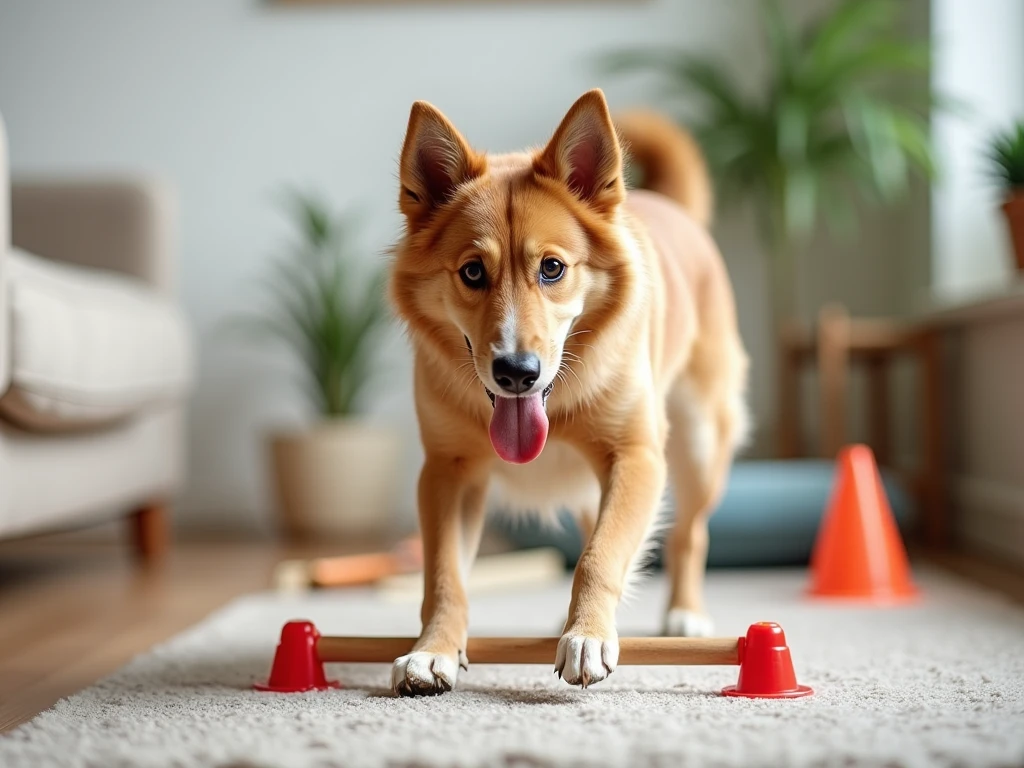

Are you looking for ways to keep your furry friend active and engaged at home? Agility training could be just the thing you need to provide both physical and mental exercise for your dog. In this article, we will explore how to create safe agility courses for your dog right in your own backyard.
What is Agility Training for Dogs?
Agility training is a sport that involves dogs navigating through a series of obstacles, such as jumps, tunnels, and weave poles, in a timed setting. It is not only a great form of physical exercise for dogs but also provides mental stimulation as they learn to navigate the course.
Benefits of Agility Training for Dogs
- Physical Exercise: Agility training helps improve your dog’s strength, stamina, and overall physical fitness.
- Mental Stimulation: The problem-solving aspect of agility courses keeps your dog’s mind sharp and engaged.
- Bonding: Working together to navigate the course can strengthen the bond between you and your dog.
- Confidence Building: Successfully completing obstacles can boost your dog’s confidence and self-esteem.
Setting Up a Safe Agility Course at Home
When creating an agility course for your dog, safety should always be a top priority. Here are some tips to ensure your course is both fun and safe for your furry friend:
1. Choose the Right Location
Select a flat, open space in your backyard where you can set up the agility course. Make sure there are no obstacles or hazards that could pose a danger to your dog.
2. Start Small
Begin with simple obstacles, such as low jumps and tunnels, to introduce your dog to the concept of agility training. As they become more comfortable, you can gradually increase the difficulty of the course.
3. Use Lightweight and Safe Equipment
Opt for agility equipment that is lightweight and safe for your dog to use. Avoid heavy or sharp objects that could cause injury.
4. Positive Reinforcement
Use treats and praise to motivate and reward your dog as they navigate the course. Positive reinforcement will help make the training experience enjoyable for your furry friend.
5. Monitor Your Dog’s Progress
Pay close attention to your dog’s behavior and physical condition during training sessions. If they show signs of fatigue or discomfort, take a break and reassess the course.
Conclusion
Agility training is a fun and rewarding way to keep your dog active and stimulated at home. By following these tips and guidelines, you can create a safe and enjoyable agility course for your furry friend to enjoy. So why not give agility training a try and watch your dog flourish both physically and mentally?
Learn how to create safe agility courses for your dog at home to provide physical and mental exercise. Agility training can benefit your furry friend in many ways.
Remember, agility at home is a fantastic way to provide both physical and mental exercise for your dogs. Don’t hesitate to get started on creating a safe and engaging agility course in your own backyard today!