
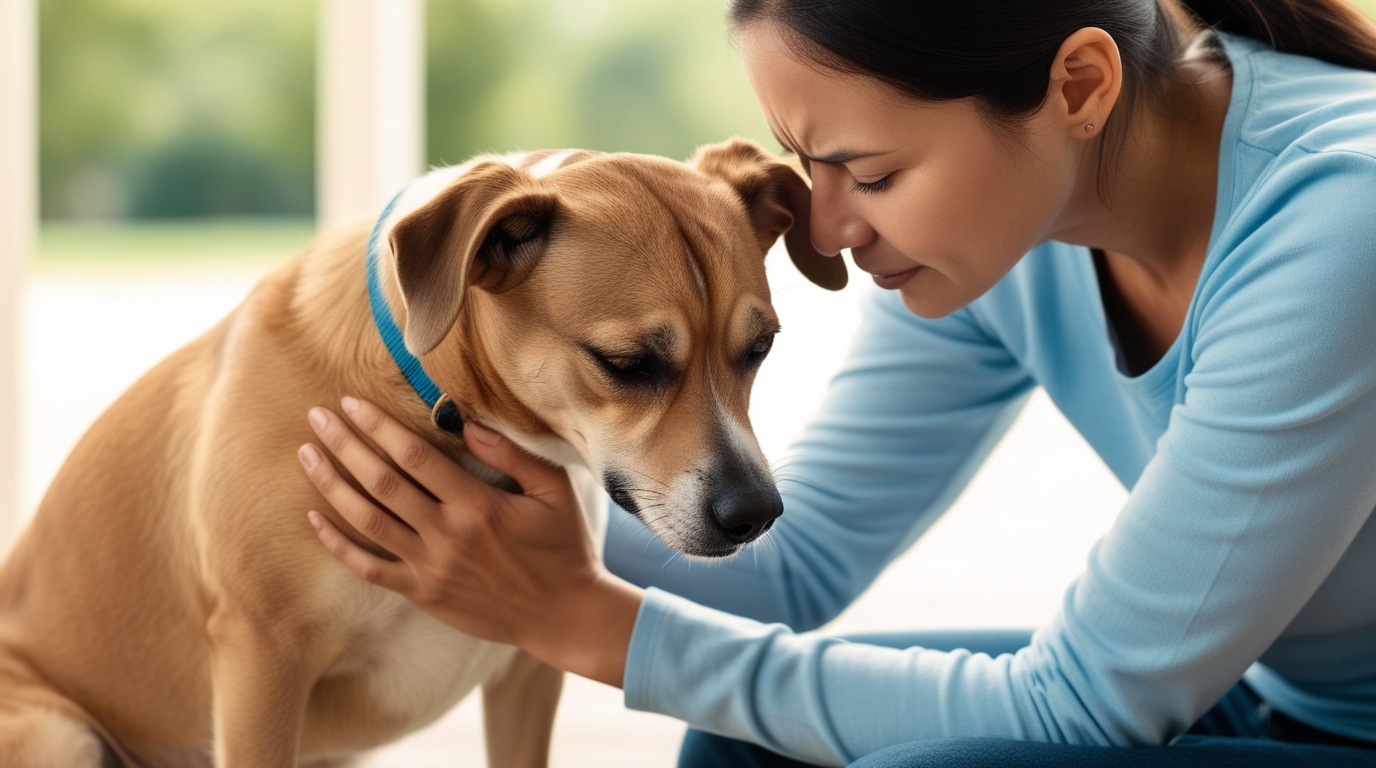

Are you noticing unusual behavior in your furry friend? Dogs, just like humans, can experience stress, and it’s important to recognize the signs early on to help them feel more comfortable and relaxed. In this article, we will discuss the common signs that indicate your dog is stressed and explore some practical ways to alleviate their anxiety.
Common Signs of Stress in Dogs
- Excessive barking or whining: If your dog is barking or whining more than usual, it could be a sign of stress. Pay attention to what triggers this behavior and try to address the underlying cause.
- Panting and pacing: When dogs are stressed, they may exhibit behaviors such as excessive panting or pacing around the house. This could indicate that they are feeling anxious or uneasy.
- Loss of appetite: A sudden decrease in appetite can be a sign of stress in dogs. If your furry friend is not eating as much as usual, it’s essential to monitor their food intake and consult with a veterinarian if needed.
- Avoidance behavior: Some dogs may try to avoid certain situations or people when they are feeling stressed. If your dog is hiding or avoiding interaction, it’s important to create a safe and comfortable environment for them.
- Excessive grooming: Dogs may engage in excessive grooming, such as licking or chewing on their paws, when they are stressed. Keep an eye on your dog’s grooming habits and address any excessive behaviors promptly.
How to Help a Stressed Dog
- Create a Safe Space: Provide your dog with a quiet and secure area where they can retreat when they are feeling stressed. This could be a cozy bed, a crate, or a designated corner of the house.
- Exercise and Play: Regular exercise and mental stimulation can help reduce stress in dogs. Make sure your furry friend gets plenty of opportunities to run, play, and engage in interactive activities.
- Establish a Routine: Dogs thrive on routine, so try to establish a consistent schedule for feeding, exercise, and sleep. This can help reduce anxiety and provide a sense of security for your pet.
- Use Calming Techniques: Consider using calming techniques such as gentle massage, aromatherapy, or music therapy to help relax your dog. You can also try using calming pheromone diffusers or sprays in your home.
- Consult with a Professional: If your dog’s stress levels persist or worsen, it’s essential to consult with a veterinarian or a certified dog behaviorist. They can help identify the underlying causes of stress and provide guidance on how to help your furry friend feel more at ease.
In conclusion, it’s crucial to pay attention to the signs of stress in your dog and take proactive steps to help them feel more relaxed and comfortable. By creating a safe environment, providing regular exercise and mental stimulation, and seeking professional help when needed, you can support your furry friend in managing their stress levels effectively. Remember, a happy and healthy dog is a well-balanced one!