

Are you a bird lover who stumbled upon a fledgling in your backyard? Taking care of baby birds can be a rewarding experience, but it requires proper knowledge and attention to ensure they grow up strong and healthy. In this article, we will guide you through the essential steps of caring for baby birds during their first weeks of life.
Caring for baby birds can be a challenging task, especially if you have never done it before. However, with the right information and tools, you can provide the necessary care and support for these vulnerable creatures. From feeding to keeping them warm, every aspect of their care is crucial for their survival.
The First Weeks of Life: Caring for Baby Birds
What to Do When You Find a Baby Bird?
So, you found a baby bird on the ground? The first thing to do is to assess the situation. Is the bird injured or in immediate danger? If not, observe from a distance to see if the parents are nearby. If the bird seems healthy and the parents are around, it is best to leave it be. Birds often leave the nest before they can fly and the parents continue to care for them on the ground.
Providing Temporary Shelter
If the baby bird is injured or in danger, you can provide temporary shelter until you can get help. Place the bird in a small, ventilated box lined with soft tissues and place it in a warm, quiet area away from pets and children. Do not attempt to feed the bird or give it water, as it may require special care from a wildlife rehabilitator.
Feeding Baby Birds
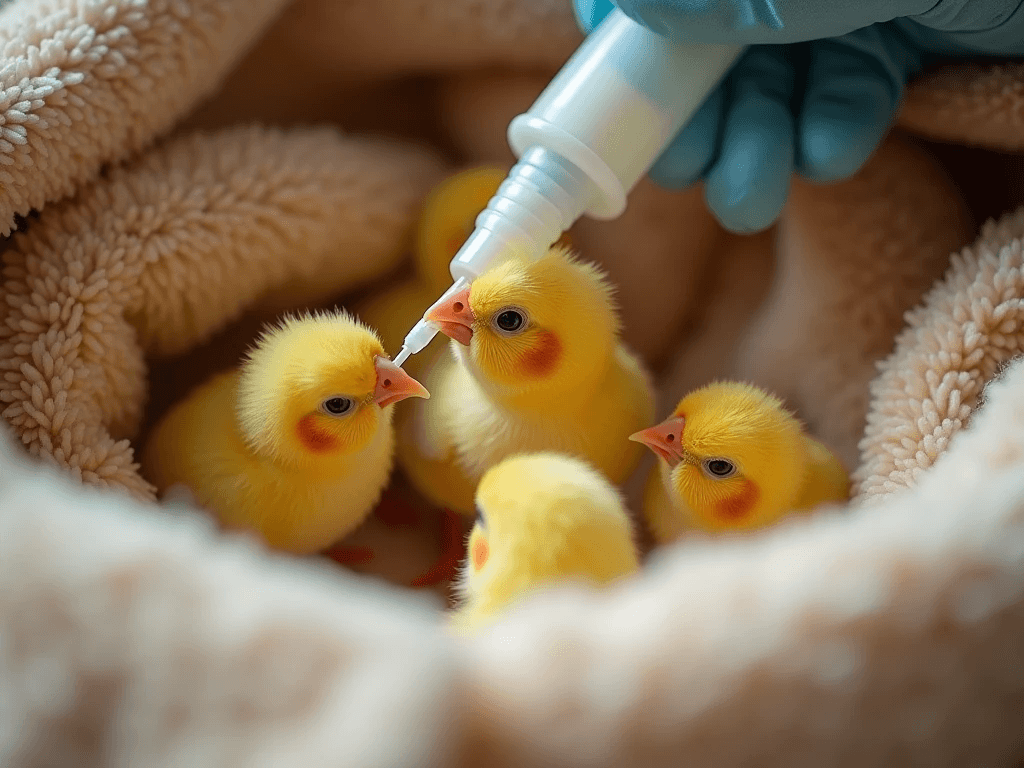
Once you have determined that the baby bird needs your help, feeding becomes a crucial part of its care. Baby birds require a special diet that mimics what their parents would feed them. You can purchase specialized bird formula from pet stores or wildlife rehabilitators. Use a small syringe or dropper to feed the bird every 20-30 minutes during daylight hours.
Keeping Them Warm
Like all young animals, baby birds are unable to regulate their body temperature effectively. It is essential to keep them warm by placing a heating pad on low under one side of their temporary shelter. Make sure to monitor the temperature regularly and adjust the heating pad as needed to maintain a comfortable warmth for the bird.
Monitoring Their Progress
Throughout the first weeks of a baby bird’s life, it is crucial to monitor their progress closely. Keep track of their feeding schedule, weight gain, and overall behavior. If you notice any changes or abnormalities, contact a wildlife rehabilitator for professional advice and assistance.
Releasing Them Back into the Wild
As the baby bird grows stronger and healthier, it will eventually be ready to be released back into the wild. When the time comes, choose a safe and suitable location with plenty of food and water sources nearby. Open the box and allow the bird to fly away on its own, ensuring a smooth transition back to its natural habitat.
Conclusion
Caring for baby birds during their first weeks of life requires patience, dedication, and proper knowledge. By following the essential steps outlined in this article, you can provide the best possible care for these vulnerable creatures and help them thrive in the wild. Remember, it is always best to seek professional help from wildlife rehabilitators if you are unsure about the best course of action.