
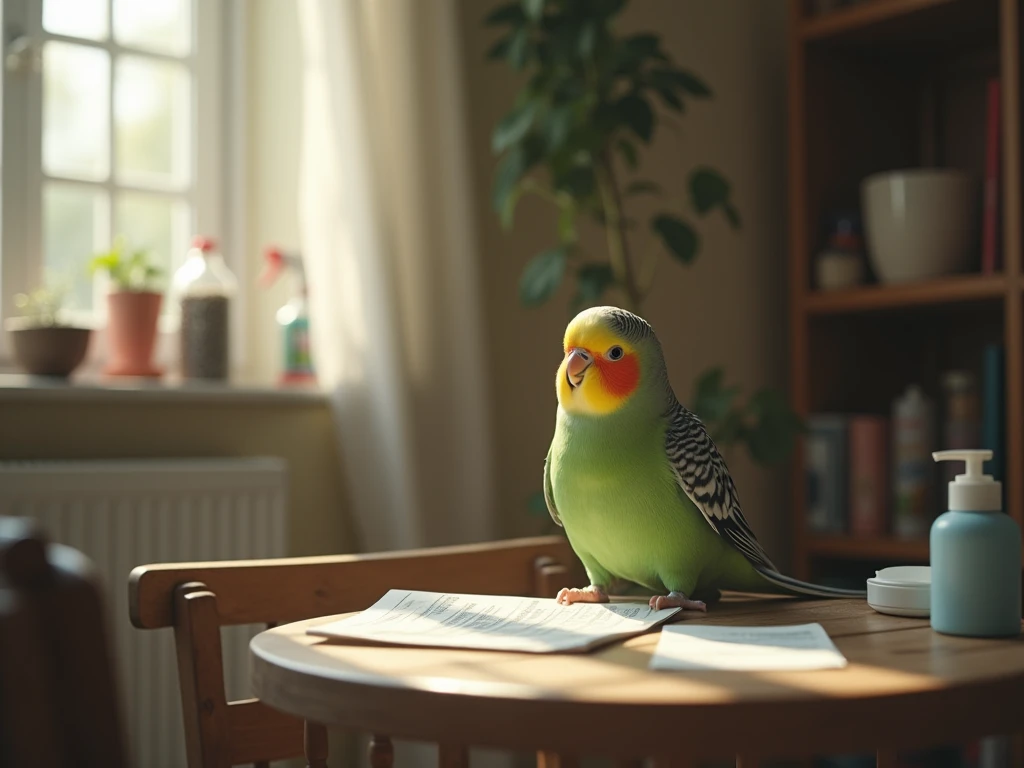

Discover the hidden costs of owning a bird that no one talks about. Find out what expenses to expect before bringing a feathered friend into your home.
Owning a bird can be a rewarding experience. From their beautiful songs to their playful personalities, birds can bring joy and companionship to any home. However, there are hidden costs associated with owning a bird that many people overlook. In this article, we will explore some of the unexpected expenses that come with having a feathered friend.
Experience
When it comes to owning a bird, there are several hidden costs that can catch new bird owners off guard. From the initial purchase price of the bird to ongoing expenses such as food, toys, and veterinary care, owning a bird can be more costly than many people realize. Let’s take a closer look at some of the hidden costs of owning a bird that no one talks about.
Initial Purchase Price
One of the first costs associated with owning a bird is the initial purchase price. Depending on the species of bird you choose, prices can vary widely. Some exotic bird species can cost hundreds or even thousands of dollars. In addition to the cost of the bird itself, you will also need to purchase a cage, toys, and other accessories.
Do birds need expensive accessories?
Many new bird owners are surprised by the additional expenses that come with owning a bird. While you may think that all you need is a cage and some food, birds also require toys, perches, and other accessories to keep them happy and healthy. These costs can add up quickly, so it’s important to budget for them in advance.
Food and Supplies
Another hidden cost of owning a bird is the ongoing expense of food and supplies. Birds have specific dietary needs that must be met in order to keep them healthy. This can include fresh fruits and vegetables, high-quality seeds, pellets, and supplements. In addition to food, you will also need to purchase supplies such as bedding, cleaning products, and grooming supplies.
What do birds eat?
Birds have specialized diets that must be carefully balanced to meet their nutritional needs. In addition to seeds and pellets, many birds also require fresh fruits and vegetables as part of their daily diet. It’s important to research your bird’s specific dietary requirements to ensure they are getting the nutrients they need to thrive.
Veterinary Care
Just like any other pet, birds require regular veterinary care to stay healthy. Veterinary expenses can include routine check-ups, vaccinations, and treatment for illnesses or injuries. In addition to these expenses, you may also need to budget for emergency veterinary care in case your bird becomes sick or injured.
How often should birds see a vet?
Birds should see a veterinarian at least once a year for a routine check-up. During this visit, the vet will perform a physical exam and may recommend additional tests or treatments. In addition to annual check-ups, it’s important to schedule a veterinary appointment if you notice any changes in your bird’s behavior or health.
Conclusion
While owning a bird can bring joy and companionship, it’s important to be aware of the hidden costs that come with it. From the initial purchase price to ongoing expenses such as food, supplies, and veterinary care, owning a bird can be more expensive than many people realize. By understanding these hidden costs and budgeting for them in advance, you can ensure that your feathered friend receives the care and attention they deserve.