
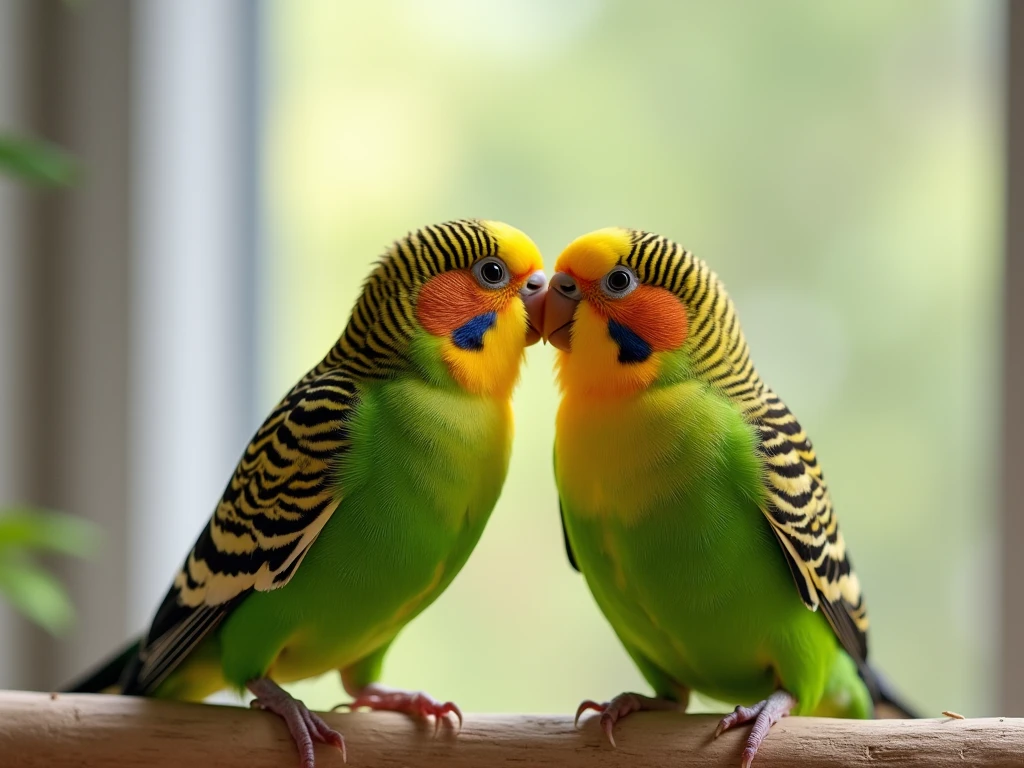

In the world of pet birds, courtship and mate selection are fascinating aspects of their behavior. From singing and dancing to displaying colorful plumage, birds have unique ways of attracting potential partners. But how exactly do pet birds choose their mates? Let’s delve into the intricate world of avian relationships to uncover the secrets of love on wings.
The Role of Instinct in Mate Selection
Birds, like many other animals, rely heavily on instinct when it comes to choosing a mate. Instinctual behaviors, such as courtship displays and vocalizations, play a significant role in signaling to potential partners that they are ready to mate. These innate behaviors are deeply rooted in a bird’s genetic makeup and are crucial in the mating process.
Factors That Influence Mate Selection
While instinct plays a key role in mate selection, there are also other factors that come into play. One such factor is compatibility. Birds often seek out mates that are compatible with them in terms of temperament, personality, and breeding capabilities. For example, a pair of birds that share similar interests and preferences are more likely to form a successful bond.
Communication in the Courtship Process
Communication is essential in the courtship process for pet birds. They use a combination of vocalizations, body language, and visual displays to signal their readiness to mate. For example, male birds may engage in elaborate singing and dancing to impress potential partners, while females may respond with reciprocal behaviors to indicate interest.
Mate Choice and Monogamy
While some bird species are monogamous, meaning they form long-term pair bonds with a single partner, others are polygamous, meaning they may mate with multiple partners. In monogamous species, mate choice is particularly important, as birds must carefully select a partner that they can successfully raise offspring with. This involves assessing factors such as genetic compatibility, parenting skills, and resource availability.
The Role of Physical Appearance
Physical appearance also plays a significant role in mate selection for pet birds. Brightly colored plumage, elaborate crests, and distinctive markings are often used by birds to attract mates. These visual cues signal health, vitality, and reproductive fitness, making them important factors in the mating process.
The Importance of Bonding and Pairing
Once a pair of birds has chosen each other as mates, bonding and pairing become essential. This involves establishing a strong emotional connection and mutual trust between partners. Bonding behaviors, such as preening, feeding, and nest-building, help solidify the pair bond and strengthen the relationship between the birds.
Conclusion
In conclusion, love on wings is a complex and fascinating phenomenon in the world of pet birds. From instinctual behaviors to compatibility factors, communication, and physical appearance, there are many facets to consider when understanding how pet birds choose their mates. By delving into these intricacies, we gain a deeper appreciation for the unique and beautiful relationships that birds form with each other.
Discover the secrets of how pet birds choose their mates and dive into the intricate world of avian relationships. Find out what factors influence mate selection and the role of instinct in the mating process. Explore the fascinating phenomenon of love on wings.