
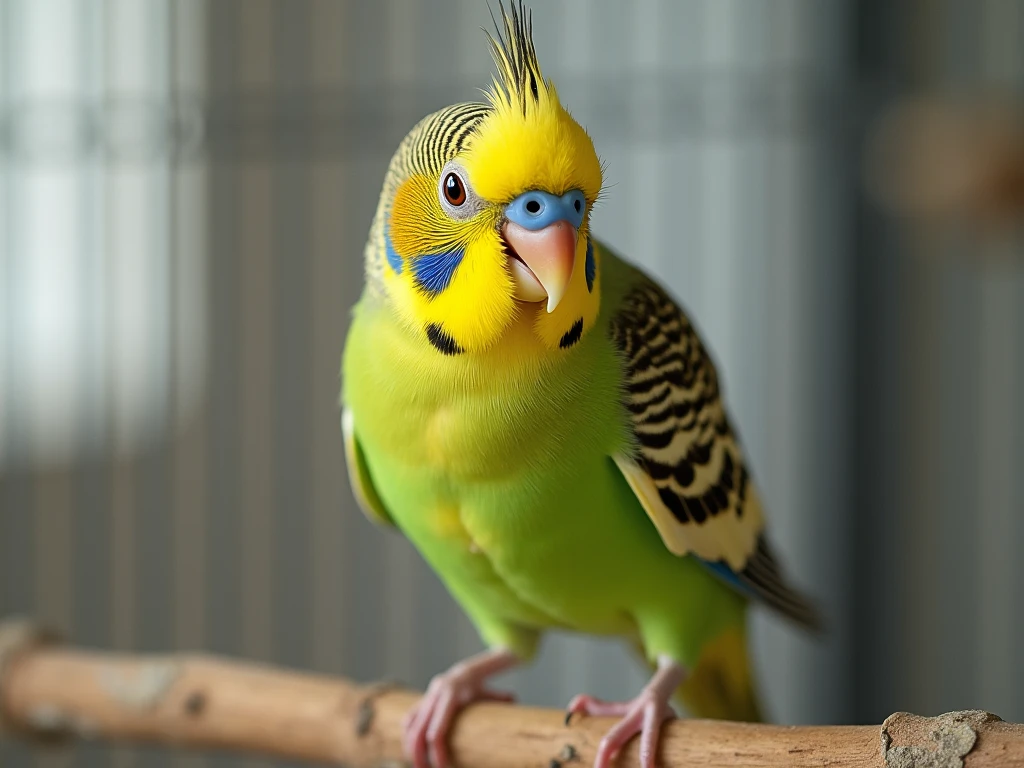

As spring approaches, birds begin their mating season, which can lead to hormonal changes and increased aggression in some species. Understanding how to manage this aggression is crucial for bird enthusiasts and conservationists alike. In this article, we will explore the causes of hormonal aggression in birds during mating season and provide tips on how to handle this behavior effectively.
What causes hormonal aggression in birds during mating season??
During mating season, birds experience significant hormonal changes as they prepare to attract a mate and defend their territory. These hormonal fluctuations can lead to increased aggression, as birds become more territorial and competitive. Additionally, the presence of potential mates can further fuel this behavior, as birds strive to establish dominance and secure breeding opportunities.
To effectively manage hormonal aggression in birds during mating season, it is important to understand the underlying causes and implement strategies to address these behaviors. By taking proactive steps to reduce stress and create a harmonious environment, bird enthusiasts can help their feathered friends navigate this challenging time of year.
Tips for managing aggression in birds during mating season
1. Provide ample space
Birds that are feeling territorial or aggressive during mating season may benefit from having extra space to roam and establish their territory. Ensuring that aviaries or enclosures are large enough to accommodate multiple birds without feeling overcrowded can help reduce conflict and aggression.
2. Limit visual stimuli
During mating season, birds may become agitated or territorial in response to visual stimuli, such as seeing other birds or predators outside their enclosure. Limiting their exposure to these triggers by covering windows or restricting their view can help reduce stress and minimize aggressive behavior.
3. Offer distractions
Providing birds with enriching activities, such as toys, puzzles, or foraging opportunities, can help redirect their energy and focus away from aggressive behaviors. Keeping them mentally stimulated can help alleviate boredom and reduce the likelihood of aggressive interactions.
4. Monitor interactions
Keeping a close eye on your birds’ behavior during mating season can help you identify potential conflicts before they escalate. By observing their interactions and intervening when necessary, you can help prevent aggression and maintain a peaceful environment for all birds involved.
5. Seek professional advice
If you are struggling to manage hormonal aggression in your birds during mating season, don’t hesitate to seek advice from a professional avian behaviorist or veterinarian. They can provide personalized guidance and recommendations to help you address these behaviors effectively.
Conclusion
In conclusion, hormonal aggression in birds during mating season is a natural phenomenon that can be managed with the right strategies and approaches. By understanding the underlying causes of this behavior and taking proactive steps to create a stress-free environment, bird enthusiasts can help their feathered friends navigate this challenging time of year successfully. Remember to provide ample space, limit visual stimuli, offer distractions, monitor interactions, and seek professional advice when needed to ensure a harmonious and peaceful mating season for all birds involved.