
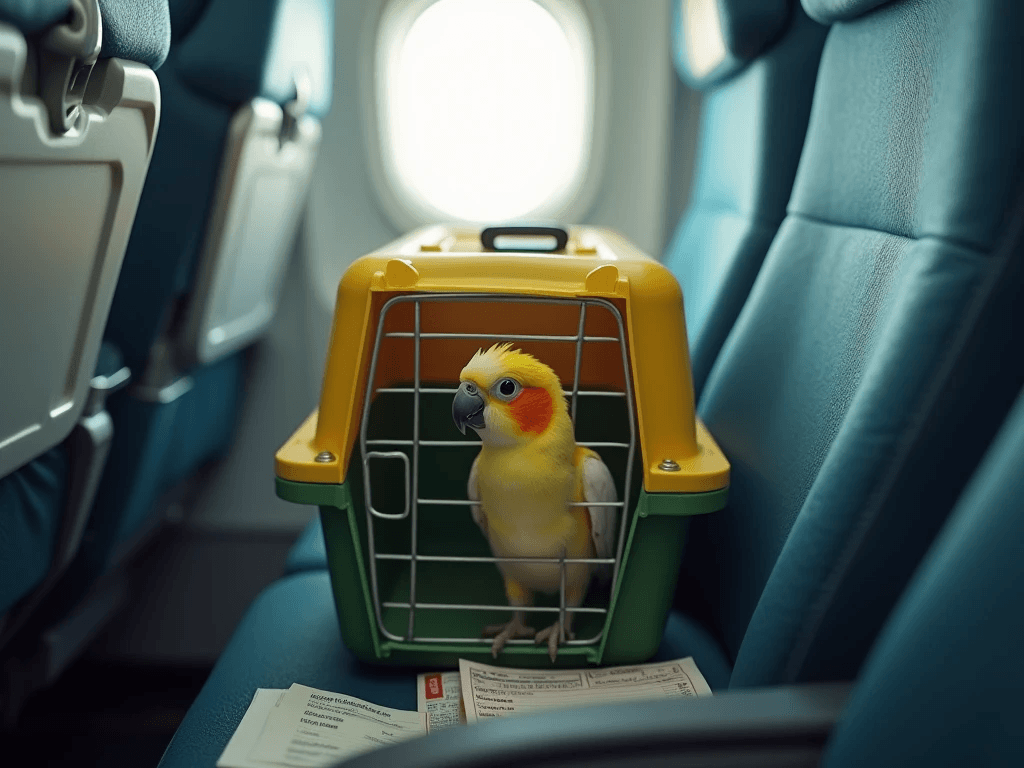

Flying with a bird can be an exhilarating experience for bird enthusiasts, but it also comes with its own set of rules, risks, and preparations. Whether you are a seasoned bird owner or a first-time flyer, it is essential to be well-informed about the dos and don’ts of traveling with your feathered friend. In this article, we will explore everything you need to know before taking to the skies with your avian companion.
Rules and Regulations
Before embarking on a journey with your bird, it is crucial to familiarize yourself with the rules and regulations set forth by airlines and aviation authorities. Different airlines may have varying policies when it comes to traveling with pets, including birds. Some airlines may require your bird to travel in a travel-safe carrier, while others may allow your bird to perch on your shoulder during the flight. Be sure to check with the airline beforehand to avoid any last-minute surprises.
Risks of Flying With Bird
Flying with a bird can pose certain risks to both you and your feathered friend. Birds are highly sensitive creatures and may experience stress and anxiety during air travel. The loud noises, unfamiliar surroundings, and fluctuations in temperature and pressure can be unnerving for your bird. In addition, there is a risk of your bird escaping during the flight or getting injured in transit. It is important to weigh these risks carefully before deciding to fly with your bird.
Preparation Is Key
Proper preparation is essential when flying with a bird. Before the flight, make sure your bird is healthy and up-to-date on vaccinations. Pack essential items such as food, water, a travel carrier, and any medications your bird may need. It is also a good idea to acclimate your bird to the carrier and practice short trips before the flight to reduce stress. During the flight, keep your bird comfortable and secure to ensure a smooth and safe journey.
What to Expect During the Flight?
During the flight, your bird may exhibit signs of anxiety or discomfort. It is important to remain calm and reassuring to help your bird feel at ease. Offer your bird food and water periodically to keep them hydrated and nourished. Avoid exposing your bird to harsh lights or loud noises, as this can exacerbate stress. If your bird shows signs of distress, such as excessive vocalization or fluffing of feathers, try to comfort them and provide a sense of security.
Conclusion
Flying with a bird can be a rewarding experience, but it also comes with its own set of challenges. By following the rules and regulations, understanding the risks involved, and adequately preparing for the journey, you can ensure a safe and enjoyable flight for both you and your feathered friend. Remember to prioritize your bird’s well-being and comfort throughout the journey to make it a positive and memorable experience for both of you.
So, are you ready to take to the skies with your bird? With the right preparation and knowledge, you can make your flying experience a breeze!